


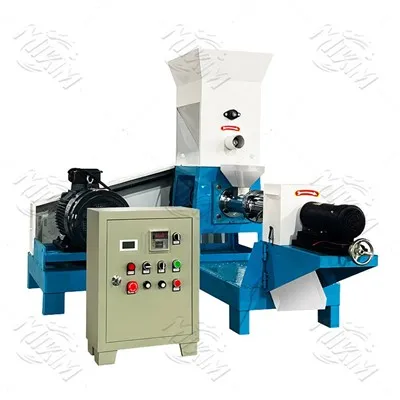
How to optimize the process parameters of an Electric Fish Feed Extruder Machine
Leave a message
Synergistic optimization of conditioning temperature and moisture content is fundamental. Fishmeal constitutes a high proportion (30%-40%) of fish and shrimp feed ingredients, and high temperatures easily lead to protein denaturation. Therefore, the conditioning temperature needs to be controlled at 85-90℃, 10-15℃ lower than that of livestock and poultry feed. Simultaneously, the initial moisture content of the raw materials is increased from 13% to 15%-16% by introducing saturated steam at 0.2-0.25 MPa, with the steam contact time with the raw materials extended to 2.5-3 minutes to ensure uniform moisture penetration. This parameter combination not only allows for preliminary starch gelatinization, reducing the load on the extruder, but also prevents the loss of active ingredients such as EPA and DHA from the fishmeal. The motor current is reduced from 110A to 85A, resulting in a 22.7% reduction in energy consumption.
Precise matching of extrusion temperature and screw speed is crucial. Parameters are adjusted according to different aquaculture species such as shrimp and sea bass: When producing shrimp feed, the extrusion temperature is controlled at 100-105℃, and the screw speed is 220-250 r/min to ensure dense feed pellets and meet foaming resistance standards; when producing sea bass feed, the extrusion temperature is increased to 110℃, and the speed is reduced to 180-200 r/min, because sea bass feed has a higher protein content, requiring a slightly higher temperature to promote protein cross-linking. Simultaneously, segmented temperature control technology is adopted, dividing the extruder barrel into a feeding zone (60℃), a compression zone (95℃), an extrusion zone (105℃), and a discharge zone (100℃) to avoid excessively high local temperatures, improving the crude protein digestibility of the feed by more than 10%.
Optimization of the feeding speed and ring die parameters further improves efficiency. A variable frequency feeder stabilizes the feeding speed at 80-100 kg/h, linked to the screw speed. When the screw speed increases to 250 r/min, the feeding speed simultaneously increases to 100 kg/h, ensuring a stable filling rate of 70%-75% in the barrel and preventing idling or blockage. A ring die aperture of 2-3 mm and a compression ratio of 1:8-1:10, combined with puffing temperature adjustment, increase the pellet formation rate from 92% to 98%, reducing breakage losses. Furthermore, a dynamic parameter adjustment mechanism is established; when the fishmeal content in the raw material fluctuates by ±5%, the puffing temperature is adjusted accordingly by ±3℃ to ensure stable product quality.
Related equipment


about Us
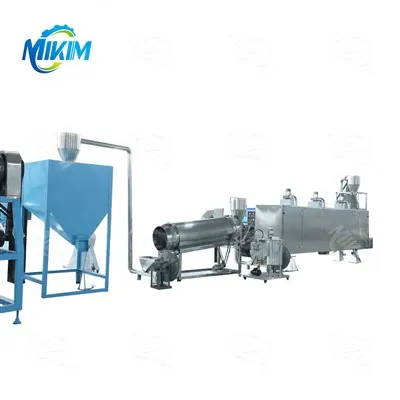
MIKIM's fish feed pellet production lines and supporting machinery offer excellent value for money. Not only are they affordable, eliminating middlemen markups and allowing small and medium-sized enterprises (SMEs) and fish farmers to purchase complete sets of equipment at reasonable costs, but they also boast exceptional efficiency. The fully automated process, from raw material crushing and precise ingredient mixing to extrusion pelleting and maturation, is completed in one continuous flow. This results in high starch gelatinization rates and uniform pellet formation, significantly improving production efficiency and feed quality, truly achieving "low cost, high output." Choosing a MIKIM fish feed pellet production line means enjoying comprehensive pre-sales and after-sales service, including 24-hour online customer support, a one-year warranty on the entire machine, professional on-site installation, commissioning, and maintenance, and a stable supply of spare parts. Customers can buy with confidence and use with peace of mind, with both excellent value and service quality!
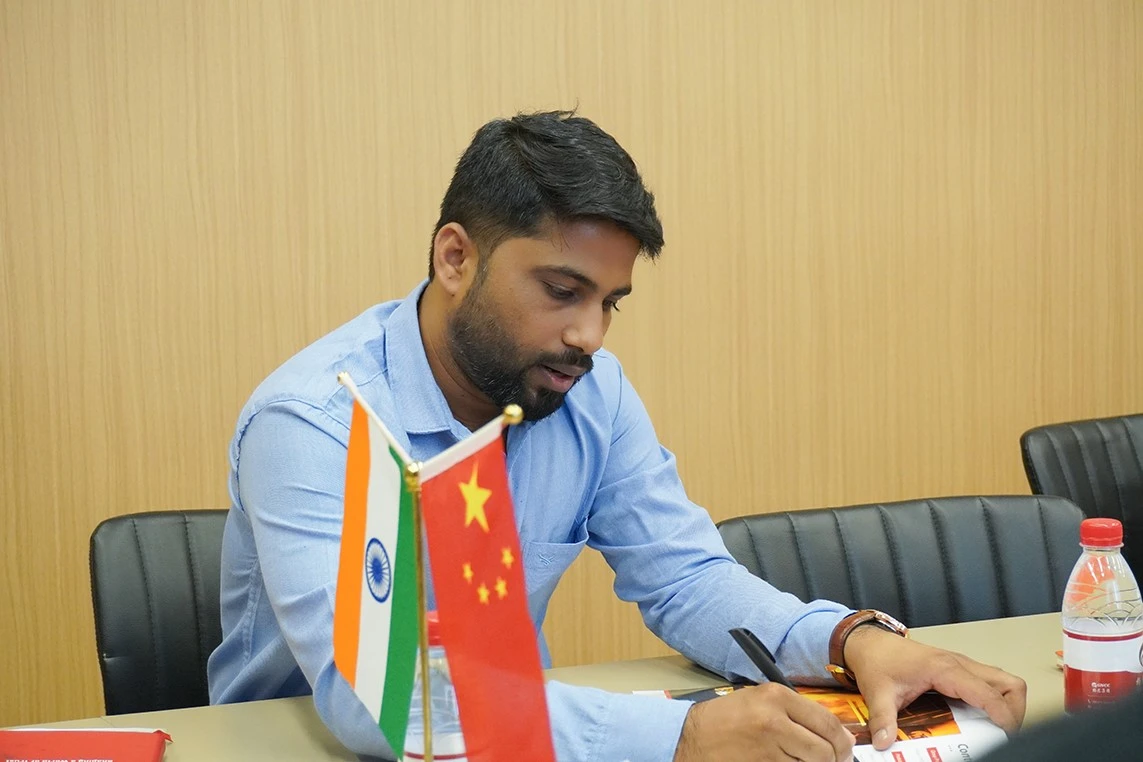
Customer visit
Certificate of Honor

FAQ
1. What is the price of the Fish Feed Twin Screw Type Extruder?
The price ranges from approximately $3,500-$55,000
2. Do you provide maintenance services for your customers?
Yes, we offer comprehensive after-sales maintenance services to our customers.
If you would like to learn more about MIKIM machinery, please contact us. We offer one-stop service and welcome your inquiries!!!


