


What methods can improve the operational efficiency of a fish food machine?
Leave a message
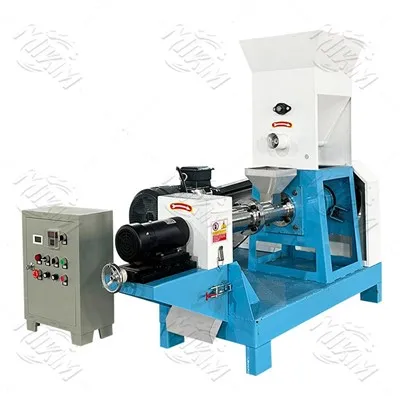
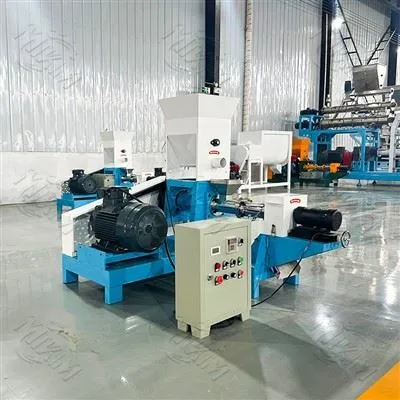
Equipment modifications focused on high-fiber adaptability. The feed inlet of the floating fish food extruder machine was enlarged to 300mm, and a screw feeder and electromagnetic vibrator were added. High-frequency vibration (50Hz) prevents bridging and clogging of straw raw materials, increasing the feeding speed to 80kg/h. The screw adopts a "strong shearing + large lead" design, with the screw width increased to 15mm, improving the shearing and crushing capacity of coarse fibers. A reverse spiral was added to the screw to enhance the extrusion effect, increasing the coarse fiber softening rate from 60% to 85%. A 10mm thick ceramic wear-resistant sheet is pasted on the inner wall of the barrel to reduce wear from coarse fibers and extend the equipment's service life. The ring die uses an extra-large aperture (6-8mm) and high compression ratio (1:9) model to ensure compact extruded feed pellets while reducing discharge resistance and the probability of clogging.
Process optimization solved the challenges of high-fiber processing. In the raw material pretreatment stage, straw is crushed to below 50mm and mixed with corn and soybean meal in a 6:3:1 ratio. 1% cellulase and 0.5% bentonite are added to enhance the raw material's binding and flowability, reducing the load on the extruder. During the conditioning stage, a dual heating method of "steam + high-temperature water" is used, with the temperature controlled at 110℃ and the moisture content increased to 17%, allowing the coarse fibers to fully absorb water and soften, reducing wear on extruder components. By adjusting the extruder parameters, the screw speed is reduced to 180r/min, extending the residence time of the raw material in the barrel to ensure full extrusion of the coarse fibers, improving feed digestibility by 15%. A grading screen is installed at the extruder outlet to promptly separate unexpanded coarse fiber particles, which are then returned for reprocessing, improving the quality of the finished product.
Operation and maintenance ensure stable operation. Operators must understand the characteristics of high-fiber raw materials and avoid feeding too much straw at once, using a "small amount, multiple times" method in conjunction with the feeder for stable feeding. After each production run, corn flour is used as a "cleaning material" and fed into the extruder for 5 minutes to remove residual coarse fibers from the barrel and screw, preventing clumping and blockage. The screw feeder and vibrator are checked weekly to ensure smooth feeding; the screw and barrel are checked monthly for wear, and any detached ceramic wear-resistant plates are replaced promptly. An emergency plan for equipment failure is in place; in case of sudden blockage, the machine is immediately shut down and power is cut off. Specialized tools are used for cleaning; forced restarting of the equipment is strictly prohibited. Furthermore, by comparing the extrusion effects of different straw varieties, alfalfa and oat straw with soft fibers are prioritized to reduce equipment wear and improve processing efficiency.
Related equipment


about Us
MIKIM's fish feed pellet production lines and supporting machinery offer excellent value for money. Not only are they affordable, eliminating middlemen markups and allowing small and medium-sized enterprises (SMEs) and fish farmers to purchase complete sets of equipment at reasonable costs, but they also boast exceptional efficiency. The fully automated process, from raw material crushing and precise ingredient mixing to extrusion pelleting and maturation, is completed in one continuous flow. This results in high starch gelatinization rates and uniform pellet formation, significantly improving production efficiency and feed quality, truly achieving "low cost, high output." Choosing a MIKIM fish feed pellet production line means enjoying comprehensive pre-sales and after-sales service, including 24-hour online customer support, a one-year warranty on the entire machine, professional on-site installation, commissioning, and maintenance, and a stable supply of spare parts. Customers can buy with confidence and use with peace of mind, with both excellent value and service quality!
Customer visit

Certificate of Honor

If you would like to learn more about MIKIM machinery, please contact us. We offer one-stop service and welcome your inquiries!!!


