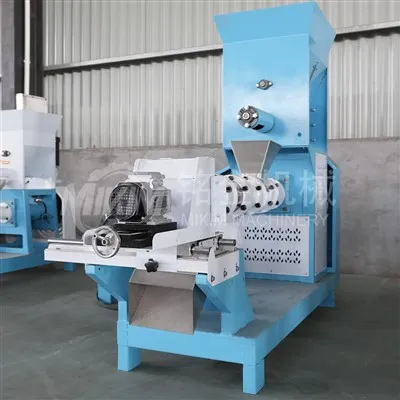
Feed Pellet Machine Winter Maintenance: Key Precautions
Leave a message
Why Winter Is Hard on Feed Pellet Machines
Feed pellet machines run under heavy load, and every moving part depends on a film of lubricant. In winter, cold thickens that lubricant. A hydraulic oil that flows easily at 20 °C can become several times more viscous at -10 °C, and the thicker oil cannot penetrate component gaps quickly enough. The result is dry friction on screw bearings, rollers and gearbox parts, faster wear and more frequent jams. Service data from feed mills consistently shows that wear-related repairs rise in cold months, which is why winter lubrication is not a minor detail but a maintenance priority. Three precautions cover most of the risk: switching to winter-grade lubricants, refilling more often and keeping the lubrication system clean.
Precaution 1: Switch to Winter-Grade Lubricants
Ordinary lubricants such as No. 46 hydraulic oil, suitable for summer, become too thick in winter. At low temperatures the oil cannot form a uniform film on component surfaces, so metal parts rub against each other directly and wear quickly. Choose the oil grade according to the local minimum winter temperature. In regions where winter temperatures fall below about -15 °C, use a low-temperature hydraulic oil such as No. 10 or No. 15; in regions where temperatures stay above 0 °C, No. 32 low-temperature hydraulic oil is usually sufficient. Before switching grades, clean the lubrication system thoroughly, including the gearbox and bearing housings, because mixing old oil with new oil can weaken the new oil's performance. After refilling, let the machine idle for about five minutes so the oil circulates through every line.
Precaution 2: Increase the Frequency of Lubrication Refills
Even with the right grade, cold oil penetrates slowly. Penetration time into roller bearings can roughly double in winter compared with summer, so lubrication points that were fine with one refill per day can develop localized dry friction. Adjust the schedule for key points such as screw bearings and roller shafts from once a day to twice a day in winter, and increase the refill volume by about 10-15 percent over the summer level, while avoiding overflow that could contaminate the feed. When using a grease gun, warm the grease to 20-30 °C first, for example near a heater or with a heating jacket, so it flows into the fitting. After each refill, rotate the component by hand to spread the grease evenly.
| Lubrication point | Summer schedule | Winter schedule |
|---|---|---|
| Screw bearings | Once a day | Twice a day, +10-15% volume |
| Roller shafts | Once a day | Twice a day, grease warmed to 20-30 °C |
| Gearbox | Oil check per schedule | Winter-grade oil, system flushed first |
Precaution 3: Keep the Lubrication System Clean
Dry winter air lets raw-material dust enter the lubrication system through gearbox breathers and bearing-housing seals. Mixed with thick cold oil, the dust forms sludge that blocks oil lines and oil passages, starving bearings and gears of lubricant. Clean the gearbox breather weekly with compressed air and check its filter for blockage. Every two weeks, remove the bearing-housing seals, clean sludge off the seals and bearing surfaces, and replace damaged O-rings so dust cannot re-enter. Once a month, check the lubricant lines and purge them with compressed air; if sludge is present, clear it with a wire and purge again. These tasks take minutes but prevent the pitting and scoring that force expensive repairs in spring.
A Winter Maintenance Checklist
Build the winter routine around five steps. First, check the local forecast and switch to the correct winter oil grade before the first cold spell. Second, flush the gearbox and bearing housings before changing grades. Third, warm grease before refilling and increase frequency at key points. Fourth, clean breathers weekly, seals every two weeks and oil lines monthly. Fifth, watch for early warning signs: unusual noise, rising temperature at bearings or a rougher pellet surface usually mean lubrication is failing somewhere. Acting on these signs immediately is far cheaper than replacing a worn screw or roller after the fact.
FAQ
Why does a pellet machine wear faster in winter?
Cold thickens the lubricant, so it penetrates gaps slowly and parts run with insufficient oil film, causing dry friction and accelerated wear on bearings, screws and rollers.
Which hydraulic oil should I use in winter?
Choose by the local minimum temperature: below about -15 °C, use No. 10 or No. 15 low-temperature hydraulic oil; above 0 °C, No. 32 low-temperature hydraulic oil is usually sufficient.
Do I need to clean the system before changing oil grade?
Yes. Leftover old oil mixed with the new grade can weaken performance. Flush the gearbox and bearing housings first, then refill and idle for about five minutes.
How often should I grease the machine in winter?
Key points such as screw bearings and roller shafts should be refilled twice a day instead of once, with about 10-15 percent more volume, and the grease warmed to 20-30 °C before use.
How does dust get into the lubrication system?
Dust enters through gearbox breathers and bearing-housing seals, especially in dry winter air, and forms sludge with thick oil that blocks the oil lines. Clean breathers weekly and seals every two weeks.
What are the early signs of lubrication failure?
Unusual noise, higher bearing temperature and a rougher pellet surface usually indicate insufficient lubrication. Stop and check before the damage spreads.