Extruder Safety for High-Calcium Feed Materials: Inspection, Operation and Shutdown
Leave a message
Why High-Calcium Raw Materials Raise Extrusion Risk
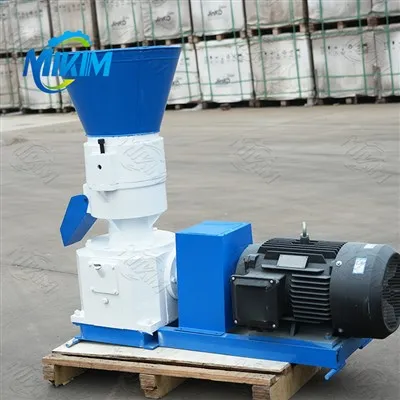
High-calcium raw materials such as ground shrimp shell, crab shell and mineral-rich blends are abrasive and dense. When they are pushed through an extruder under high pressure, they wear the screw and the die faster than ordinary feed mash, and the stored energy inside a pressurised barrel means that a small mistake can escalate into an injury. Hard particles can jam the machine, a cracked die can break apart while running, and hot residue can burn hands during cleaning. The workable answer is a three-stage routine: inspect and prepare before start-up, run with discipline, and shut down and clean in the correct order.
Pre-Start Inspection and Protective Equipment
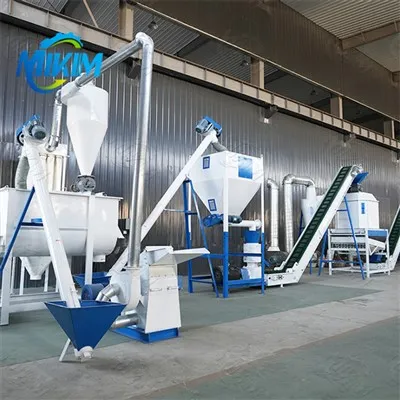
Every shift begins with the die and the screw. Inspect the die face and the extrusion openings for hairline cracks, chipping and erosion, because high-calcium mash is extruded at high pressure and a cracked die can fail in service, throwing material and fragments outward. A die with any visible crack is replaced before the machine is energised, never patched or clamped. Then examine the screw flights and the barrel liner for wear: shell-based raw materials accelerate abrasive wear, and a badly worn screw can seize or stall mid-run. Finally, confirm personal protective equipment, including a safety helmet, heat-resistant gloves, non-slip shoes and eye protection. Raw material is normally stacked around a shrimp feed workshop, so full protection is required from the first minute of the shift rather than only while the extruder is pressing.
| Stage | Check | Why it matters |
|---|---|---|
| Before start | Die face and openings for cracks; screw flights and liner for wear | Prevents die breakage, material spray-out and mid-run jamming |
| Before start | Helmet, heat-resistant gloves, non-slip shoes, eye protection | Protects the operator in a busy, cluttered workshop |
| Before start | Raw material sieved; no uncrushed shell or tramp metal | Stops hard particles from scoring screw, die and barrel |
| During run | Pressure relief valve and safety shield closed and locked | Prevents high-pressure material from spraying at the operator |
| After stop | Power isolated and pressure fully released before cleaning | Prevents burns and accidental restart |
Safe Operation While the Extruder Runs
Never open the pressure relief valve or lift the safety shield while the extruder is running. Under high pressure the material can spray through the smallest gap and reach the operator. Screen the raw material before feeding: uncrushed shell fragments, pebbles and tramp metal jam the machine and score the screw, die and barrel. Keep the feed rate steady and let the drive carry the load; adjust one parameter at a time, and make the change gradually while the machine is running smoothly. A sudden jump in barrel temperature or pressure overloads the drive and puts thermal stress into the barrel and die head. Watch the discharge for colour, shape and expansion changes, because they warn of a developing blockage long before it becomes a jam. Never reach into the feed hopper or the die area to clear material by hand while the machine is energised.
Shutdown, Cleaning and Die Handling
After the last batch, stop the feed, run the barrel empty for a short period, then disconnect the power. Wait until the pressure has fully released and rotation has stopped before touching any part. Wear thick heat-resistant gloves when cleaning the die. Calcium-rich residue sets hard, and forcing a stuck die can make it slip and injure hands or feet. Do not hammer or pry on the die face; use the correct cleaning tools and controlled force, and clear each opening from the discharge side. Remove residue dry for disposal rather than flushing it with water, which drives fines into the cooling passages and accelerates corrosion. Record the cleaning result, because a die that needs repeated heavy cleaning usually signals a moisture or temperature problem upstream.
Pressure Components, Wear Parts and Maintenance Records
Pressure pipes, flexible hoses and fittings carry the full load on every cycle, so inspect them for ageing, cracking, swelling and leaks. Replace any suspect part immediately: a leak found during a scheduled inspection costs far less than a pressure failure during a production run. Keep a maintenance log that records each inspection, every measured screw and die wear reading and every replaced part, so wear trends become visible and replacements can be planned before a failure stops the line. Holding spare dies, screws and pressure seals in stock keeps a high-calcium extrusion line running with predictable downtime. Because abrasive shell material shortens service life, the log is also the basis for setting realistic replacement intervals instead of fixed calendar dates.
Frequently Asked Questions
Q: How often should the die be inspected when running high-calcium feed?
Inspect at the start of every shift and re-check after any jam or pressure spike, because abrasive shell material can open a hairline crack within a few tonnes of production.
Q: Can a worn screw be repaired instead of replaced?
Light wear can sometimes be rebuilt by hard-facing, but once flight depth or diameter is outside tolerance the screw must be replaced, otherwise output falls and the barrel liner wears faster.
Q: Why must pressure be released before cleaning?
Residual pressure can push hot material and loosened parts out of the die when a fitting is opened, and stored pressure can also cause an unexpected restart of the drive.
Q: Is sieving the raw material really necessary?
Yes. A single uncrushed shell or pebble can score the screw and die, and the resulting damage costs far more than the screening step it would have taken to remove it.
Q: Which personal protective equipment is essential?
A safety helmet, heat-resistant gloves, eye protection and non-slip shoes are the minimum, worn from the start of the shift and not only during pressing.
Q: What should the maintenance log contain?
Date, machine hours, inspection findings, measured screw and die wear, replaced parts and the pressure test result, so that wear trends can be compared over time.