


What should be done for anti-clogging batch feeding in an extruded pellet feed machine?
Leave a message
When using an extruded pellet feed machine for bulk feeding, the most troublesome issue is raw material clogging the feed inlet. Once clogged, it requires manual cleaning, which not only wastes time but can also overload the machine or even damage parts if not cleaned promptly. This clogging problem is even more frequent when processing damp or oily raw materials. However, using an anti-clogging bulk feeding method can effectively avoid these troubles. The specific steps are described below.
Production line operation steps
- First, install anti-clogging devices on the feeding system. Install a vibrator at the feed inlet of the extruded pellet feed machine. The vibrator doesn't need to be too powerful, generally 50-100 watts is sufficient. When turned on, it will gently vibrate the raw material at the feed inlet, preventing it from sticking to the inner wall of the inlet and clumping together. Additionally, install a stirring paddle at the bottom of the hopper. The stirring paddle should be driven by a small motor at a speed of 30-50 revolutions per minute. This will evenly mix the raw material in the hopper, preventing it from clumping together and reducing the possibility of clogging at the source. These devices are not complicated to install, are readily available on the market, and are inexpensive, making them affordable for small and medium-sized users.
- Then, adjust the raw material pretreatment and feeding methods. Before processing, the raw materials must be dried, for example, the moisture content should be controlled between 12% and 14%. Raw materials with too high a moisture content are prone to sticking together and clogging the feed inlet. If the raw materials contain oil, such as soybean meal powder, a small amount of release agent should be added (0.5-1 kg per 100 kg of raw materials) to reduce stickiness. During feeding, whether manually or automatically, avoid "pouring too much material at once"-when feeding manually, do not pour more than 80% of the temporary hopper's capacity each time, leaving space for mixing and flow; when feeding automatically, keep the conveyor belt's feed rate and the machine's feed rate balanced to prevent raw materials from accumulating at the feed inlet.
- Next, monitor for blockages during the feeding process. Install a "blockage sensor" next to the feed inlet. The sensor detects whether raw material accumulates at the inlet. If the accumulation reaches a certain level, it will automatically sound an alarm (e.g., audible and visual alarm) to alert the operator. In a fully automatic feeding system, the sensor can also trigger the feeding device to temporarily stop feeding until the blockage subsides. Operators should also check the feed inlet regularly, such as every 10 minutes. If slight accumulation is observed, gently poke it with a stick to break up the material and prevent further blockage.
- Finally, the procedure for handling blockages. If a blockage occurs, first turn off the power to the extruded pellet feed machine. Do not clean while the machine is powered on to avoid electric shock. Then, use a dedicated cleaning tool (e.g., a plastic shovel or soft brush) to remove the blockage material from the feed inlet. Do not use metal tools to pry it open, as this may damage the inner wall of the feed inlet. After cleaning, check if the vibrator and mixing paddle are working properly. If the blockage is caused by a malfunction, repair the device before resuming batch feeding.


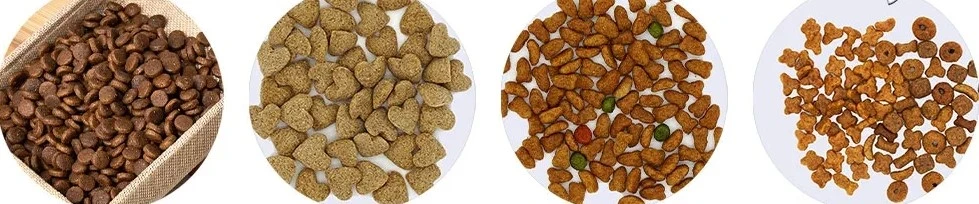
Finished Product Display
about Us
Customer visit

FAQ
1. What is the price of the fish food extruder machine?
The price ranges from approximately $10,000-$55,000
2. Do you provide maintenance services for your customers?
Yes, we offer comprehensive after-sales maintenance services to our customers.


