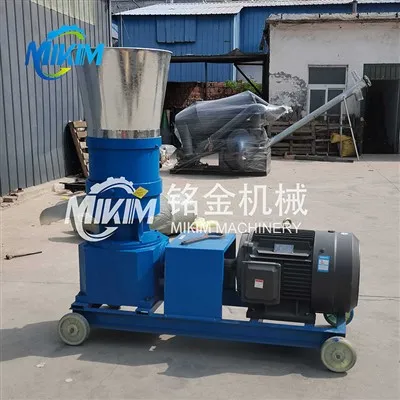
Batch Feeding Strategies for Floating aquatic feed pellet extruder machines
Leave a message

Batch Feeding Strategies for Floating aquatic feed pellet extruder machines
Many users apply the same batch feeding method when processing different raw materials with Floating aquatic feed pellet maker machines. They often find that feeding is smooth when processing cornmeal but frequently encounters problems when processing fishmeal - either clogging or uneven feeding that leads to poor pellet quality. In fact, different raw materials require different batch feeding methods. Tailoring the approach to the characteristics of the raw material is essential to ensure feeding effectiveness. This article covers batch feeding techniques for grain-based, protein-based and mixed feeds.
1. Batch Feeding of Grain-Based Raw Materials (Corn Flour, Wheat Flour)
Grain-based raw materials are dry, free-flowing and not prone to clumping, so the feeding speed can be appropriately increased to improve batch feeding efficiency.
- Manual feeding: open the hopper valve about three quarters and feed at a rate slightly higher than 90% of the machine's rated capacity per minute. For example, if the machine can process 600 kg per hour, feed 9-10 kg per minute - the good flowability of these raw materials prevents easy clogging.
- Fully automatic feeding: set the electronic scale to 120-150 kg per batch and increase the conveyor belt speed to ensure rapid raw material transport.
- Do not install a stirring paddle at the inlet: excessive agitation stirs up dust; a simple dust cover is sufficient to reduce dust pollution.

2. Batch Feeding of Protein-Based Raw Materials (Fish Meal, Shrimp Meal)
Protein-based raw materials are hygroscopic and highly viscous, so the feeding speed should be slowed down and anti-clogging measures taken.
- Manual feeding: open the hopper valve only halfway and set the feeding rate per minute to 70%-80% of the machine's rated capacity. For example, if the Floating aquatic feed pellet making machine processes 500 kg per hour, feed 6-7 kg per minute. The slower rate gives the viscous material time to enter the screw without bridging or clogging.
- Anti-clogging measures: because fish meal absorbs moisture and forms sticky bridges, keep the feeding path free and avoid overfilling the hopper.

3. Batch Feeding of Mixed Feeds
When grains, protein meals and trace additives are blended into a mixed feed, the key concern is preventing stratification during feeding.
- Premix thoroughly: mix all raw materials in a mixer for 5-8 minutes before feeding to ensure even distribution of grains, protein and trace elements.
- Use the midpoint feeding rate: when feeding in batches, use a feeding speed that is the midpoint between the grain and protein feed rates. For example, if the machine's rated capacity is 500 kg per hour, feed 7-8 kg per minute.
- Manual feeding: check the raw materials in the hopper frequently. If stratification is observed (for example grains sink to the bottom and protein floats on top), stir with a wooden stick.
- Fully automatic feeding: install a secondary mixing plate in the middle of the conveyor belt. The raw materials mix again as they pass through, ensuring a uniform composition entering the machine and preventing the uneven feeding caused by stratification, which would otherwise affect the quality of the extruded pellets.