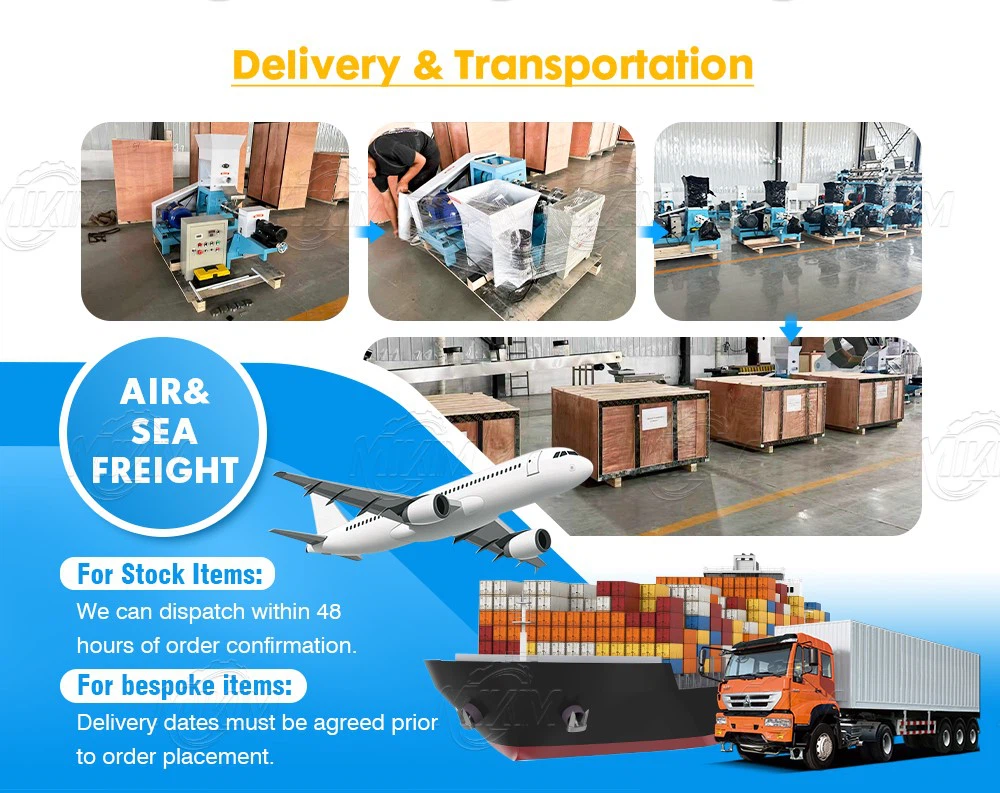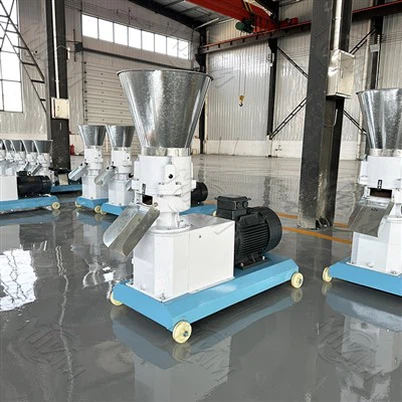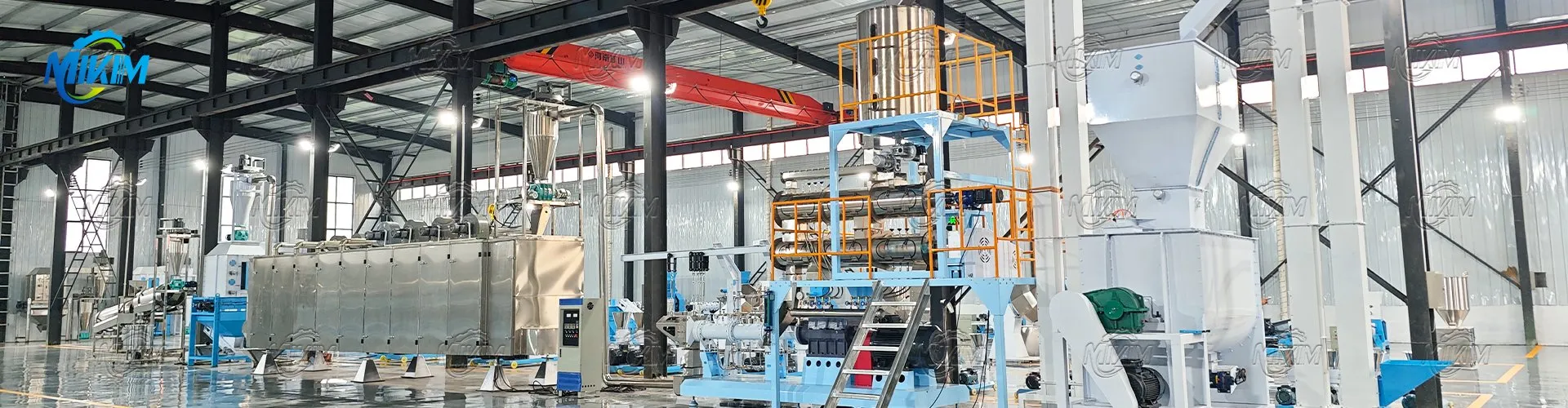
330-400kg/h Small Sinking Shrimp Feed Making Machine Testing
Leave a message

Technical Overview & Industry Positioning
In the evolving global shrimp farming landscape, the transition from traditional steam-pelleting to advanced extrusion technology represents a critical upgrade in feeding efficiency. The 330-400kg/h Dry Type sinking prawn feed pellet extruder machine is engineered to meet the precision requirements of intensive aquaculture, where Feed Conversion Ratio (FCR) and Water Quality Management are paramount.
Unlike standard pellet mills, this extrusion system leverages high-shear thermal processing to achieve over 90% starch gelatinization, ensuring:
- Nutritional Integrity: Enhanced protein digestibility and pathogen elimination through controlled barothermal treatment.
- Hydro-Stability: A specialized "low-expansion" configuration that produces high-density pellets with a Specific Gravity > 1.0, ensuring 100% sinking performance and a water-retention structural integrity of over 2 hours.
- Bio-Security: On-site production capabilities that allow farmers to control raw material sourcing, mitigating the risk of disease transmission often associated with external commercial feed chains.
For small-to-medium enterprises (SMEs) and specialized shrimp hatcheries, this capacity range (330-400kg/h) serves as the industry benchmark for balancing capital investment (CAPEX) with operational scalability, providing a robust solution for sustainable and self-sufficient aquatic feed manufacturing.
★Click to learn more about the best mini shrimp feed pellet machine.
Why Is This Capacity a Game-Changer?
The 330-400 kg/h dry-type sinking shrimp feed pellet making machine bridges the gap between manual feeding and large-scale industrial production. Designed for small-to-medium aquaculture farms and startup feed entrepreneurs, this machine utilizes advanced extrusion technology to produce high-density, water-stable sinking pellets. By producing feed on-site, farmers can reduce costs by up to 30-40% while ensuring optimal nutritional freshness for their shrimp.
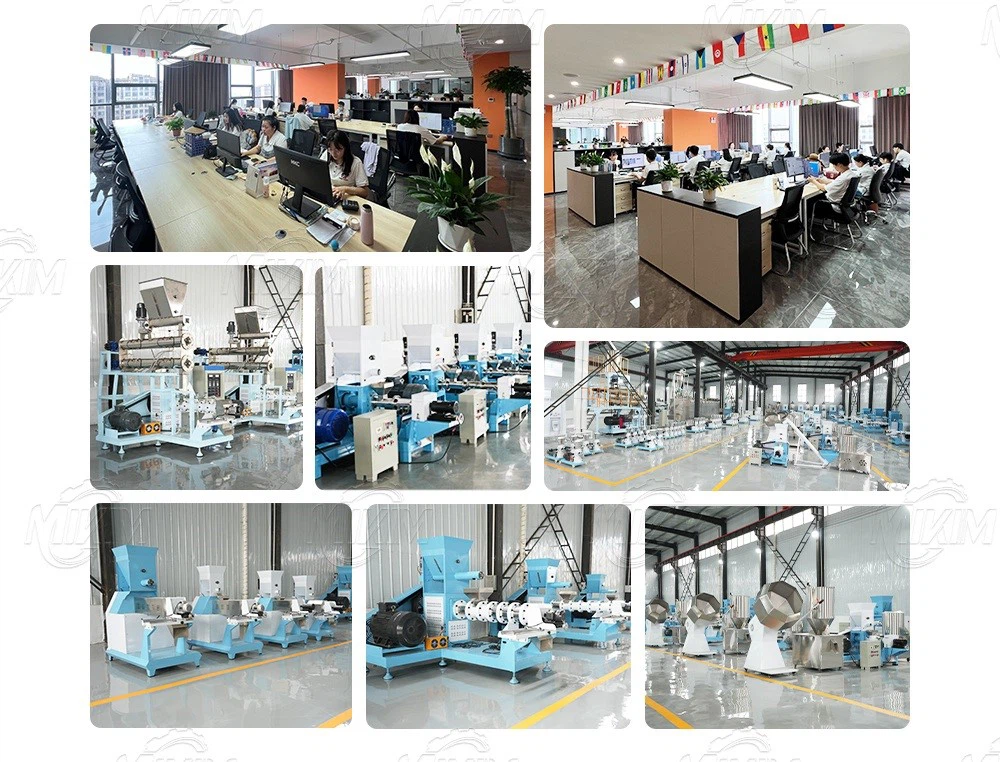
330-400 kg/h dry-type shrimp feed extruder machine test in our factory
I am interested in this product
Key Technical Specifications
| Feature | Details |
| Machine Type | Single Screw Extruder (Optimized for Sinking Feed) |
| Capacity | 330 - 400 kg/h |
| Pellet Diameter | 0.8mm - 5.0mm (Customizable) |
| Sinking Rate | 100% (High-density extrusion) |
| Water Stability | > 2 Hours (Minimal disintegration) |
| Applications | Shrimp, Prawn, Crab, and Bottom-dwelling Fish |
1. Why Use an Extruder for Sinking Shrimp Feed?
Unlike traditional pellet mills, a Dry Type sinking shrimp feed extruder machine uses high temperature and pressure to "cook" the starch in the ingredients (gelatinization), which significantly improves:
- Digestibility: Shrimp can absorb nutrients more efficiently, leading to a lower FCR (Feed Conversion Ratio).
- Water Stability: Extruded pellets stay intact longer, preventing water pollution and nutrient leaching.
- Pathogen Control: The high-temperature process kills harmful bacteria like Salmonella.
- The "Sinking" Secret: To make shrimp feed sink, our extruder is calibrated for low-expansion. By controlling the screw speed and temperature, we achieve a high-density pellet that eliminates internal air pockets, ensuring it sinks immediately.
2. Professional Factory Testing: What We Verify Before Shipment
We don't just ship machines; we ship solutions. Every 400kg/h Dry Type sinking shrimp feed pellet extruder undergoes a rigorous testing phase to ensure it meets international aquaculture standards.
A. Density & Sinking Performance Test
We measure the specific gravity of the pellets. For shrimp, the pellets must reach a density that ensures a 100% sinking rate in saline and fresh water.
B. Water Stability Duration
Pellets are placed in a water tank for 120 minutes. Quality pellets must maintain their shape without clouding the water, ensuring the shrimp have ample time to scavenge.
C. Uniformity & Smoothness
Using precision-cut technology, we ensure each pellet is uniform in size. This is crucial for "automatic feeders" used in modern shrimp ponds to prevent clogging.
D. Mechanical Reliability (The "Stress Test")
We run the machine at full capacity (400kg/h) for several hours to monitor motor temperature, bearing vibration, and electrical stability.

3. Optimized Ingredients for High-Quality Shrimp Feed
To get the most out of your extruder, the raw material moisture should be kept between 12% and 15%.
- Protein Sources: Fish meal, shrimp meal, soybean meal (ideal for growth).
- Energy & Binders: Wheat flour, corn flour (wheat is preferred for better water stability).
- Functional Additives: Lecithin, fish oil, vitamin premixes, and attractants to stimulate feeding behavior.

4. ROI Analysis: Is This Dry Type shrimp feed extruder machine Right for You?
Target Users:
- Small-Scale Commercial Farms: If you use more than 1 ton of feed per day, this machine pays for itself in 6–8 months.
- Feed Startups: An affordable entry point into the lucrative aquaculture supply market.
- Research Institutions: Perfect for trial formulations.
- Profit Impact: By controlling your own formula, you can substitute expensive commercial ingredients with local alternatives, drastically increasing your profit margin per harvest.
5. Troubleshooting & Pro-Tips from Engineers
"Expert Tip: If your pellets are floating, your animal feed extruder machine temperature is likely too high or your moisture is too low. Reducing the screw speed slightly will increase density and ensure the feed sinks perfectly." - Lead Technical Engineer
FAQ:
Q: Can this small shrimp feed extruder machine make both floating and sinking feed?
A: Yes. By adjusting the screw configuration, formula, and temperature, this machine can produce floating fish feed or sinking shrimp feed. However, shrimp feed requires a specific "non-expansion" die.
Q: How do I ensure the pellets don't dissolve too fast in the pond?
A: Our extruder uses high-shear technology to gelatinize starches. Using wheat flour (high gluten) in your formula will further enhance the "binding" effect, keeping the pellet stable for over 2 hours.
Q: Is it difficult for a beginner to operate?
A: Not at all. The small shrimp feed pellet machine features a centralized control cabinet. We provide a "Factory Test Video" and a step-by-step manual that covers everything from startup to daily maintenance.
Q: What is the lifespan of the wearing parts (Screw and Die)?
A: With proper ingredient screening (removing stones/metal), our high-alloy screws typically last for 500–800 tons of production before needing replacement.
Q: How much space is required for a 330-400kg/h setup?
A: The extruder itself is compact, but you should allow approximately 20-30 square meters for the extruder, mixer, and a small drying area.
Final Conclusion
The 330-400kg/h Dry Type small sinking shrimp feed making machine is the most cost-effective solution for modernizing shrimp farming. It offers the precision of industrial manufacturing in a compact, easy-to-operate package. With our comprehensive factory testing and technical support, you can secure your feed supply chain and improve your farm's bottom line from day one.
Looking for a factory test video of this 400kg/h shrimp feed machine? Contact our technical team today for a live demonstration!
Power Where the Grid Doesn't Reach: A Cambodian Diesel Extruder Reorder
For one Cambodian farmer the problem was stubborn and simple: no reliable grid, but ponds that still needed floating feed. Only a diesel single screw floating fish feed extruder machine fit. After his first unit proved itself through a full season, he placed a repeat order - managed by our sales specialist - to put a second diesel-powered machine to work. For farms outside the national grid, that kind of confidence is the strongest signal a supplier can earn.
Problem
No Grid, No Conventional Feed Plant. Most commercial extruders assume three-phase power and a fixed building. Rural Cambodian aquaculture often has neither. Hauling feed from the city eats margins and limits growth.
Solution
Diesel Power, Skid-Mounted and Mobile. The diesel single screw floating fish feed making machine runs without any electrical supply and moves between sites. Low entry cost let him validate it in the field; fuel use stays low because it runs only when feed is needed. See how a diesel extruder works off-grid.
Result
A Validated Machine, Then a Repeat Order. One full season later, wear parts held, the diesel started reliably through humid months, and pellet quality stayed consistent. Spare parts were easy via our team - that track record brought the repeat order.
Reorder at a Glance
| Country | Cambodia |
| Configuration | Diesel-engine floating fish feed extruder, mobile setup |
| Reason | One fully validated field season on the first machine |
Running off-grid? Let's spec a diesel unit for your site.
Contact Our Team →Proof of Order: Documentation & Shipping Record
This repeat order is backed by a real MIKIM contract/order review form and a shipping record. The photo below shows the DGP60 leaving our facility for export consolidation to Cambodia.
Order review form facts
- Date: 29 July 2026
- Client region: Cambodia
- Product: fish feed extruder, model DGP60
- Engine: 25 Hp diesel, electric start
- Ancillaries: 0.4 kW feeder · 0.4 kW cutter · 1 kW heating
- Electric control: included
- Dies: 1 / 2 / 4 / 6 / 8 / 10 mm
- Voltage: 220 V, 50 Hz, single phase
- Packaging: fumigation-free wooden case + shipping mark


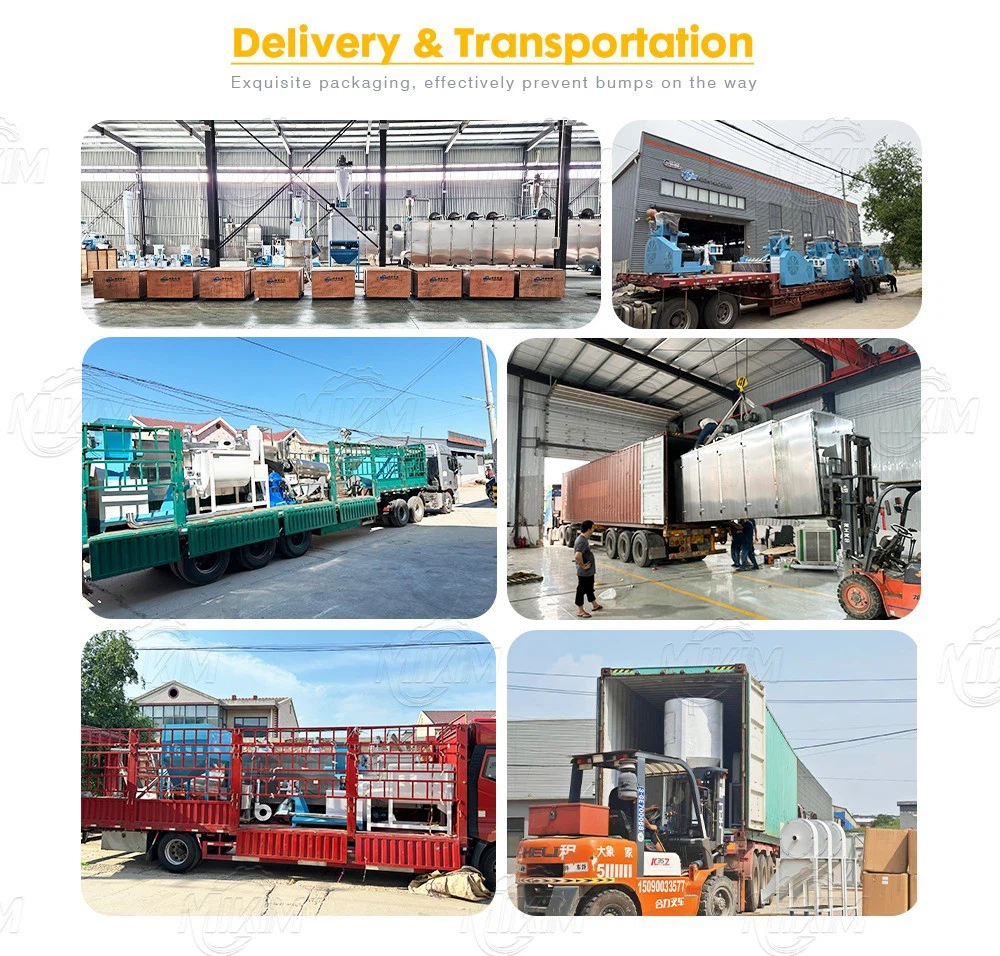
diesel single-screw floating fish feed pellet making machine in Wooden Crate Packaging

diesel single screw fish feed extruder machine Overview

diesel Single-Screw floating fish food extruder machine Details

Electrical Control Cabinet Wiring Details

Electrical Control Cabinet Connections

diesel Single-Screw fish feed pellet maker machine Die Sizes
Common Questions on Diesel Extruders for Off-Grid Aquafeed
Can a diesel single screw floating fish feed machine really replace grid power?
For remote and rural sites, yes. The diesel engine drives the extruder directly, so the machine operates wherever you can bring fuel. It is the practical choice when three-phase electricity is unavailable or unstable.
Is a diesel unit only for small-scale feed making?
Not necessarily. While entry cost is low and the unit is mobile, many farms run diesel extruders as their permanent on-site feed source. The Cambodian client above treated his first machine as a validation run, then reordered once it proved dependable.
Extruder: diesel single screw fish feed making machine (model DGP60) · Engine: 25 Hp diesel with electric start (battery excluded) · Feeder: 0.4 kW · Cutter: 0.4 kW · Heating: 1 kW · Electric control: included · Dies: 1 / 2 / 4 / 6 / 8 / 10 mm · Voltage: 220 V 50 Hz single phase · Power source: diesel engine, no grid required · Packaging: fumigation-free export wooden case with shipping mark · Setup: mobile / skid-mounted
Company Introduction