


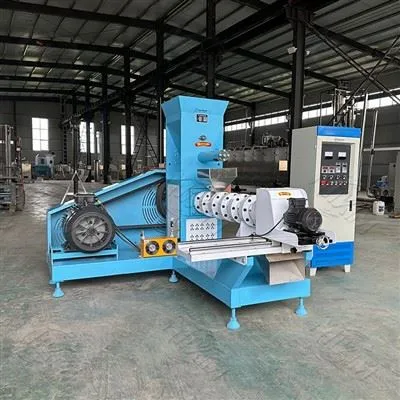
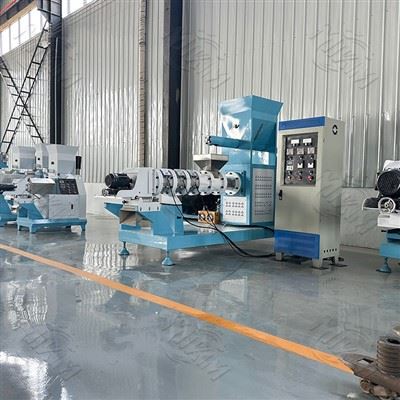
Fish Extruded Feed Pellet Mill Usage And Maintenance Tips Disclosed
Leave a message
Usage and Procedures
Small fish pellet mills (100-200 catties/hour) offer greater operational flexibility. The key steps are parameter adaptation:
Step 1: Start-up Inspection. Focus on the sharpness of the cutting blade. Fry feed should be cut into 2cm pellets, while adult fish feed should be cut into 4cm pellets. A dull blade will cause the pellets to clump together; sharpen it beforehand. Also check if the conveyor belt is misaligned; if so, adjust the screws on both sides.
Step 2: Raw Material Processing and Feeding. Fry feed (30% fishmeal + 40% cornmeal) should be ground into a fine powder with a moisture content of 30% (a small amount of water should seep out when squeezed). Adult fish feed (20% fishmeal + 50% cornmeal) should have a moisture content of 25%. When feeding, add fry feed slowly with a small spoon, and adult fish feed evenly with a shovel to avoid overloading the feed hopper with excessive pressure.
Step 3: Adjusting Fish Feed Pellet Mill Parameters. Fish fry feed should be prepared at 120℃ and 4MPa, forming soft pellets for easy swallowing. Adult fish feed should be prepared at 150℃ and 6MPa, forming semi-floating pellets that sink slowly when placed in water. For marine fish feed (such as sea bass), add 2% salt to the raw materials; the machine parameters remain unchanged, and pelleting can proceed normally.
Step 4: Shutdown and Cleaning. After using the raw materials, cover the discharge port with an empty woven bag and run the machine idle for 2 minutes to collect any remaining material. After turning off the power, immediately wipe the conveyor belt and hopper clean with a damp cloth to prevent fishmeal residue from clumping; it will easily wipe off next time.
Maintenance Precautions
① Sharpen the cutting blade regularly: Every 5 uses, disassemble the cutting blade and sharpen the edge with a whetstone. After sharpening, wipe it clean with a cloth, removing any metal shavings. If the cutting blade is chipped, replace it immediately; do not use it as is, otherwise the pellets will not cut evenly and will easily crumble.
② Don't neglect the motor cooling of the fish feed pelletizer: In summer, do not pile up clutter near the motor when using the machine; ensure good ventilation. After 2 hours of continuous use, stop the machine for 10 minutes to allow the motor to cool down and prevent overheating and burnout. Regularly blow dust from the ventilation holes on the motor with a hairdryer to prevent them from becoming clogged.
③ Do not use moldy raw materials: Moldy corn and soybean meal will produce aflatoxin, which will not only poison the fish but also corrode the inner wall of the fish food pellet maker. When buying raw materials, smell them first; if there is a moldy smell, do not use them. Clean the residual raw materials in the hopper daily.
④ Regularly check the wiring: Check the machine's wires for damage and plugs for looseness every two weeks, especially in areas with water on the workshop floor. Wires should be secured with cable trays to prevent electric shock. If the wiring is old, have an electrician replace it promptly.


about Us
Qualifications and Honors

Customer visit

FAQ
1. What is the price of the floating fish feed making machine?
The price ranges from approximately $6,000-$22,000
2. Do you provide maintenance services for your customers?
Yes, we offer comprehensive after-sales maintenance services to our customers.


