How To Increase Fish Feed Production Line Production?
Leave a message
Device background
With the rapid development of the global aquaculture industry, especially the growing freshwater aquaculture market, the demand for high-quality and efficient fish feed is also increasing. As a special fish nutritional supplement, floating aquatic feed has gradually become an important feed choice for freshwater farmed fish, especially special fish, due to its excellent floating characteristics and nutritional balance. Therefore, fish feed making production line has received widespread attention.
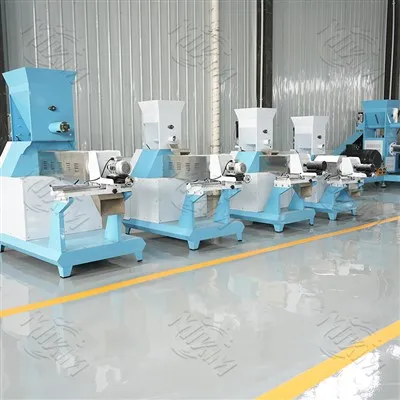
| Model | Power | Feeder | Cutter | Capacity | Dimension | Weight |
| DGP40 | 4KW | 0.4KW | 0.4KW | 0.04-0.05T/H | 1400*1030*1200MM | 240KG |
| DGP50 | 11KW | 0.4KW | 0.4KW | 0.06-0.08T/H | 1400*1030*1200MM | 320KG |
| DGP60 | 15KW | 0.4KW | 0.4KW | 0.12-0.15T/H | 1450*950*1430MM | 480KG |
| DGP70 | 18.5KW | 0.4KW | 0.4KW | 0.18-0.25T/H | 1600*1400*1450MM | 600KG |
| DGP80 | 22KW | 0.4KW | 0.75KW | 0.3-0.35T/H | 1850*1470*1500MM | 800KG |
| DGP90 | 30KW | 1.1KW | 1.5KW | 0.4-0.45T/H | 1900*1500*1600MM |
1200KG |
Advantages of extruded fish feed
Floating (suitable for upper-layer fish feeding);
Water resistance (reduces dissolution loss and reduces water pollution);
High-temperature sterilization (reduces pathogen risk);
Efficient nutrient absorption (starch gelatinization improves digestibility).
floating fish feed production line core process
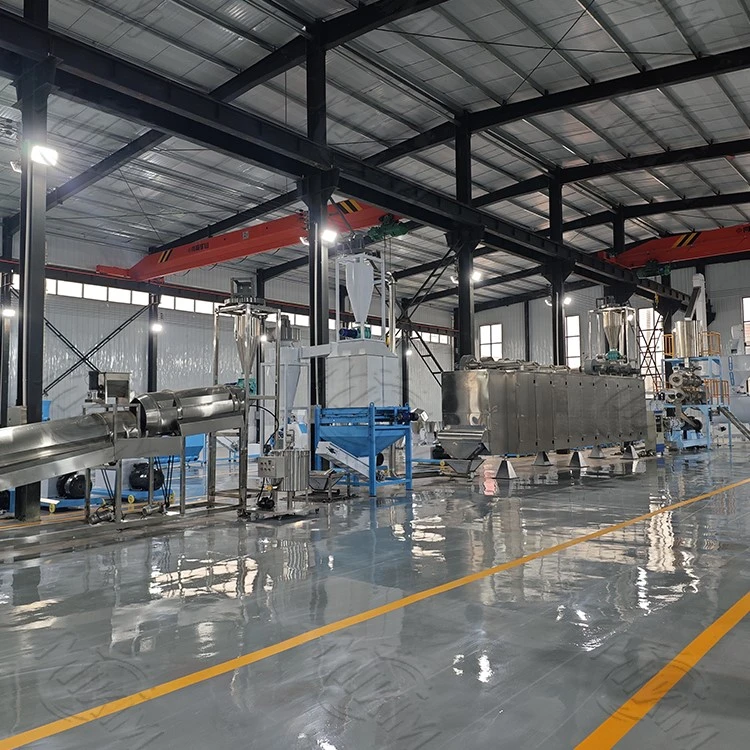
The quality of floating aquatic feed is directly related to the breeding results. The key to its manufacturing process lies in reasonable process design and equipment performance. The general floating feed production line mainly includes the following steps:
Raw material pretreatment: Select high-quality fish meal, soybean meal, wheat bran and various vitamin and mineral additives, crush and evenly mix.
Ingredient mixing: Scientifically proportion the formula through the automatic metering system to ensure balanced nutrition
Puffing and molding: The raw materials expand and expand under high temperature and high pressure to form a foam structure to achieve a floating effect.
Drying and cooling: Dry the molded feed to ensure that the water content meets the storage requirements, and package it after cooling.
Screening and packaging: Screen the finished products to remove the defective ones, standardize the metering and packaging, and ensure the stability of product quality.
Among them, the puffing link is the core technology, which needs to be completed by professional puffing machine equipment. This process not only determines the physical properties of the feed, but also affects the appetite and digestion and absorption rate of fish. The stability, efficiency and degree of automation of the equipment have become key considerations when purchasing.
Reasons and analysis of low output
When designing the formula, it is necessary to design a scientific and reasonable formula according to the growth characteristics, nutritional requirements and needs of different fish species at different growth stages. The utilization rate of feed can also be improved by adding by-products, plant extracts, etc., thereby increasing production.
In order to ensure the quality of the feed, it is necessary to strictly control each link to ensure that each process meets the standards. At the same time, the inspection and maintenance of equipment also need to be strengthened.
If you have any questions or needs about the equipment, please feel free to contact us.