How To Troubleshoot A Small Fish Feeder Myself
Leave a message
content
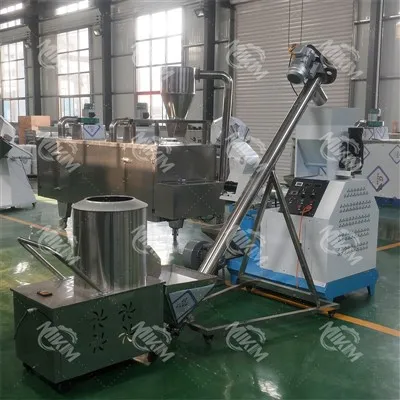
Fault 1: Material Jamming. Material jamming in fish floating feed machines is mostly due to raw materials being too coarse or too wet. First, disconnect the power. Use chopsticks or a wooden stick to poke into the feed inlet to loosen the jammed material. Then pour in some dry flour, turn the machine on and run it idle for 1 minute to remove any remaining material. Next time, remember to grind the raw materials finely and avoid excessive moisture.
Fault 2: No Pelletizing. First, check the moisture content of the raw materials. If too dry, spray some water; if too wet, let it dry. Next, check the temperature. If the fish food pellet making machine is not warm enough, run it idle for 2 minutes to preheat. If it has a temperature control knob, adjust it to a higher setting. It's also possible that the cutter is blocking the discharge port. Adjust the cutter slightly back, not too tightly.
Fault 3: Motor Overheating. Avoid continuous operation for extended periods. Each run of the fish food pellet machine should not exceed 30 minutes, with a 5-minute break in between to allow the motor to cool down. If overheating is severe, it may be due to unstable voltage. Avoid using the machine during peak electricity usage times, or connect a voltage regulator. Keep the heat dissipation vents on the motor clear of dust; use a hairdryer to blow away the dust regularly.
Maintenance is crucial for home use machines. After each use, disassemble the machine and clean it thoroughly, especially the puffing cavity and die holes. Prevent raw material residue from clumping; this will reduce the likelihood of malfunctions next time you use it.


about Us
Qualifications and Honors

Customer visit

FAQ
1. What is the price of the fish feed production machine?
The price ranges from approximately $3,500-$25,000
2. Do you provide maintenance services for your customers?
Yes, we offer comprehensive after-sales maintenance services to our customers.