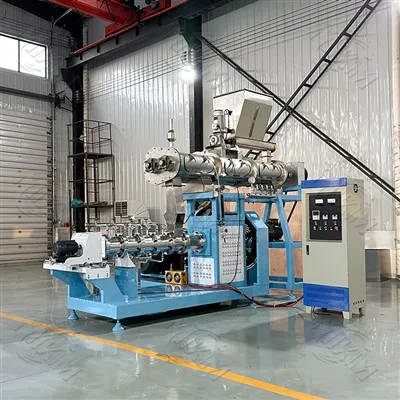
What Are The Basic Tasks For The Daily Maintenance Of A Chicken Food Pellet Making Machine?
Leave a message
Pre-start checks are a crucial preventative measure against malfunctions, focusing on safety, lubrication, and the absence of foreign objects. First, inspect the animal food granulator's exterior, ensuring all mounting bolts are secure. If loose bolts are found at the screw or barrel connection points, tighten them to the standard torque using a torque wrench to prevent severe vibrations during operation. Next, meticulously check the lubrication system. Maintain the gearbox oil level between the indicated marks. If the oil becomes cloudy or black, replace it immediately. Use 46# anti-wear hydraulic oil.
Lubricate the pressure roller bearings and transmission components with lithium-based grease 1-2 times daily to ensure smooth operation. Finally, clean the feed inlet and barrel, blowing away any residual feed with compressed air and using a flashlight to check for any metal foreign objects or hard lumps to prevent damage to the die and pressure rollers after startup. Real-time monitoring during operation is key to timely problem detection. Three key indicators should be monitored: First, temperature. The die temperature should be stable between 80-110℃.
If it suddenly exceeds 120℃, the feed rate must be immediately reduced and the cooling system checked. The bearing temperature should not exceed 70℃; if it feels hot to the touch, the machine must be stopped and the lubrication checked. Second, sound. During normal operation, the pellet mill should emit a uniform "humming" sound. Sharp, abnormal noises or impact sounds may indicate loose parts or foreign objects stuck, requiring immediate shutdown and troubleshooting. Third, pellet quality. If the pellets suddenly become loose or poorly formed, it may indicate die wear or abnormal raw material moisture content. Adjustments should be made promptly and recorded for future maintenance.
Cleaning and tidying after shutdown is the final step in daily maintenance and a crucial step in preventing equipment damage. First, thoroughly clean any residual material inside the machine. Remove the die head and pressure rollers, and use a special steel brush to clean any feed adhering to the surface. For residue inside the die holes, use a needle matching the die hole diameter to unclog them one by one to prevent feed from becoming moldy and corroding parts. Residual feed in the feed hopper and feeder must be rinsed clean with a high-pressure water gun and dried before closing the hopper. Next, clean the exterior of the equipment, wiping away dust with a cloth. Check the electrical wiring for damage; if the insulation of the wires is found to be damaged, wrap them with insulating tape or replace the wiring. Finally, tidy up the tools and area, returning lubricating grease, wrenches, and other maintenance tools to their proper places. Keep the area around the equipment dry and clean to prevent rust caused by a damp environment.


about Us
We offer:
One-Year Whole Machine Warranty Service
On-site Installation, Commissioning, and Technical Guidance
24/7 Online Technical Support
Qualifications and Honors

Customer visit

FAQ
1. What is the price of the poultry pellet machine?
The price ranges from approximately $2,500-$50,000
2. Do you provide maintenance services for your customers?
Yes, we offer comprehensive after-sales maintenance services to our customers.