What Are The Structural Differences Between Automated Feed Pellet Mills?
Leave a message
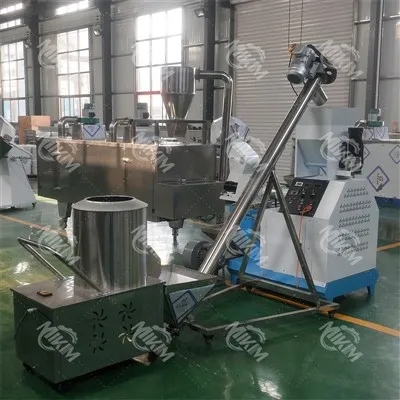
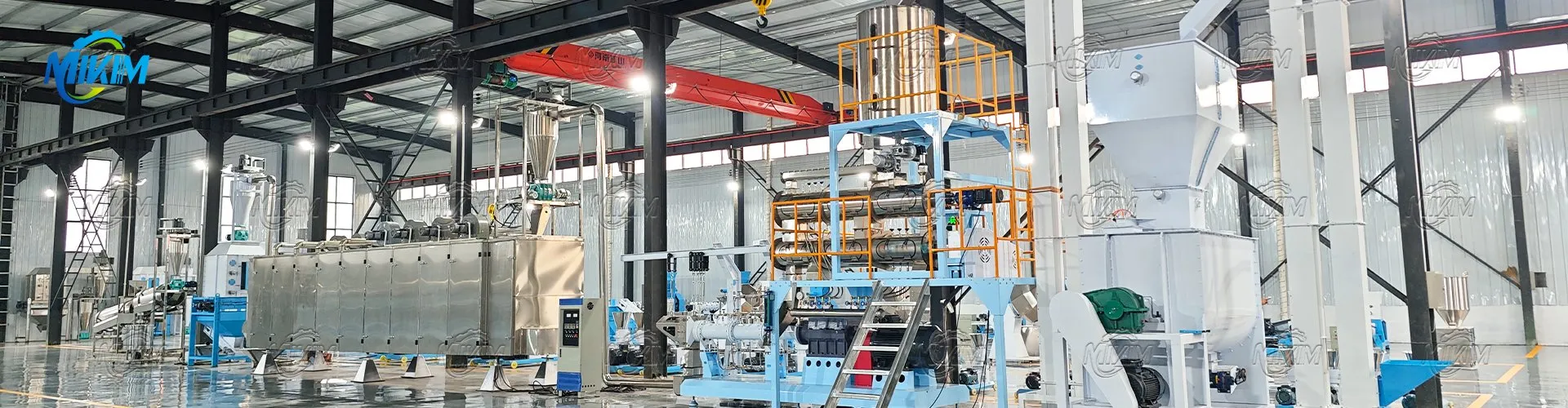
The pellet cattle feed machine is not a simple modification of traditional equipment. Instead, it upgrades the core extrusion structure by adding intelligent control, automatic feeding, and online detection modules, forming a closed-loop "sensing-control-execution" structure to achieve automation and precision in the production process.
The intelligent control system is the "brain" of the pellet machine for feed, representing the most fundamental structural difference from traditional equipment. Traditional equipment often uses button controls, while automated equipment is equipped with a PLC (Programmable Logic Controller) and a touchscreen interface. Operators can set parameters such as feeding speed, extrusion temperature, and pellet length through the interface, and the system automatically controls the operation of each component. The PLC system possesses powerful logic processing capabilities, adjusting equipment parameters in real time based on sensor feedback. For example, when excessive die pressure is detected, the feeding speed is automatically reduced to prevent blockage; when the pellet temperature exceeds the limit, the cooling system is automatically activated to ensure pellet quality. Some high-end models also feature remote control capabilities, uploading equipment operation data to the cloud via an IoT module, allowing operators to remotely monitor production status via mobile phone or computer, achieving unattended production.
The automatic feeding and batching system is a crucial component of the automated structure. Traditional equipment requires manual addition of raw materials, which can easily lead to uneven feeding or mixing errors. In contrast, the pellet making machine for cattle feed is equipped with a screw feeder, weighing sensors, and a multi-hopper structure. The multiple hoppers store different raw materials, such as corn, soybean meal, and straw. Based on a preset formula, the system uses weighing sensors to precisely control the feed rate of each hopper, with an error margin within ±0.5%. The screw feeder is driven by a variable frequency motor, automatically adjusting the feeding speed according to the extrusion system load to ensure a stable supply of raw materials and prevent accumulation or interruption. The feeding system also includes a mixing device to initially mix the various raw materials, improving the uniformity of subsequent extrusion molding.
The online detection and feedback system, the "sensory nerves" of the automated structure, mainly consists of pressure sensors, temperature sensors, and particle length detectors. A pressure sensor is installed on the outside of the extrusion chamber to monitor the pressure between the die and the pressure roller in real time. When the pressure exceeds a set threshold (e.g., 8 MPa), the system automatically alarms and adjusts parameters. A temperature sensor detects the raw material temperature during extrusion to ensure sufficient starch gelatinization and prevent nutrient loss; the temperature is typically controlled between 80-110℃. A particle length detector is installed at the discharge port, using a photoelectric sensor to detect particle length. When the length does not meet the set requirements, the cutter speed is automatically adjusted to ensure uniform particle size.
The auxiliary automation structure also includes an automatic lubrication system and a fault diagnosis system. The automatic lubrication system periodically adds lubricating oil to the bearings, gears, and other components of the transmission and extrusion systems based on equipment operating time, avoiding wear caused by untimely manual lubrication. The fault diagnosis system can analyze equipment operating data in real time. When abnormal conditions such as motor overload or excessively high bearing temperature are detected, an alarm signal is immediately issued and the machine is stopped. Simultaneously, the fault location and cause are displayed on the touchscreen for convenient and rapid repair.


about Us
We offer:
One-Year Whole Machine Warranty Service
On-site Installation, Commissioning, and Technical Guidance
24/7 Online Technical Support
Qualifications and Honors

Customer visit

FAQ
1. What is the price of the pellet mill equipment?
The price ranges from approximately $2,500-$20,000
2. Do you provide maintenance services for your customers?
Yes, we offer comprehensive after-sales maintenance services to our customers.