What Determines Pellet Quality in Floating Fish Feed Machine?
Leave a message
The selection and application of additives in floating fish feed extruders directly affect the functional quality of the feed. Feed additives include nutritional additives (vitamins, minerals, amino acids) and non-nutritive additives (probiotics, enzymes, antioxidants), and their selection must be based on the needs of the farmed animals and the characteristics of the feed. For example, adding lysine to piglet feed can promote growth, adding enzymes to aquatic feed can improve protein digestibility and absorption, and adding antioxidants to pet food can extend shelf life. However, the application of additives must be scientific and reasonable. Excessive addition not only increases costs but may also be toxic to farmed animals; improper addition methods will reduce effectiveness. For example, heat-sensitive additives such as vitamins and probiotics, if added before extrusion, will be destroyed by high temperatures and must be added after extrusion cooling using a "post-spraying" technique. One feed mill increased the survival rate of probiotics from 10% to 80% by optimizing the additive addition method, significantly enhancing the functionality of the feed.
Storage conditions are crucial to the stability and safety of feed. The storage of extruded pelleted feed requires control over temperature, humidity, ventilation, and pests. Excessive temperature can lead to fat oxidation and rancidity, producing an off-odor; excessive humidity (>75%) can cause the feed to absorb moisture and mold, promoting mildew growth; poor ventilation hinders heat dissipation, accelerating quality decline. Feed should be stored in a dry, well-ventilated, and cool warehouse, with a stacking height not exceeding 1.5 meters to prevent crushing of the bottom layer. Simultaneously, pest and rodent control measures must be implemented to prevent contamination. One farm suffered losses exceeding ten thousand yuan due to feed mold growth after only 15 days of storage in a damp basement; properly stored feed can have a shelf life extended to 3-6 months.
Management during storage also needs to be strengthened. A first-in, first-out (FIFO) storage system should be established to avoid long-term stockpiling of feed; feed quality should be regularly checked for clumping, mold, off-odors, etc., and moisture and microbial content should be tested. Any problems should be addressed promptly. In addition, feed packaging also affects storage performance. Using sealed, moisture-proof packaging materials can effectively isolate air and moisture, extending the shelf life of feed.
Why choose us?
The MIKIM's floating fish feed extruder machine is constructed entirely of food-grade 304 stainless steel, fully complying with food processing hygiene standards. It is corrosion-resistant, easy to clean, and eliminates potential contamination at the source. The core screw is made of high-quality alloy steel through special heat treatment, offering outstanding wear resistance and corrosion resistance. Combined with its integrated structural design, this significantly extends its service life. The entire machine has passed CE and ISO international authoritative certifications, aligning with global quality standards and ensuring safer and more reliable processing.
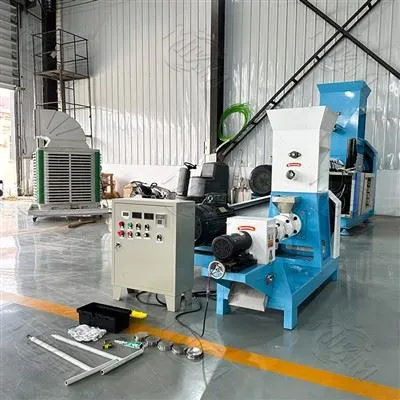
Our equipment



Our Services
We offer:
One-Year Whole Machine Warranty Service
On-site Installation, Commissioning, and Technical Guidance
24/7 Online Technical Support
Qualifications and Honors

Customer visit