What Is A Small Electric Fish Food Extruder Machine?
Leave a message
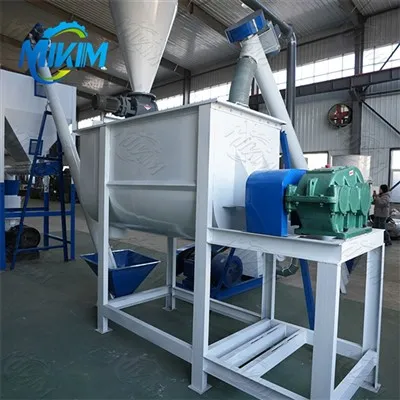
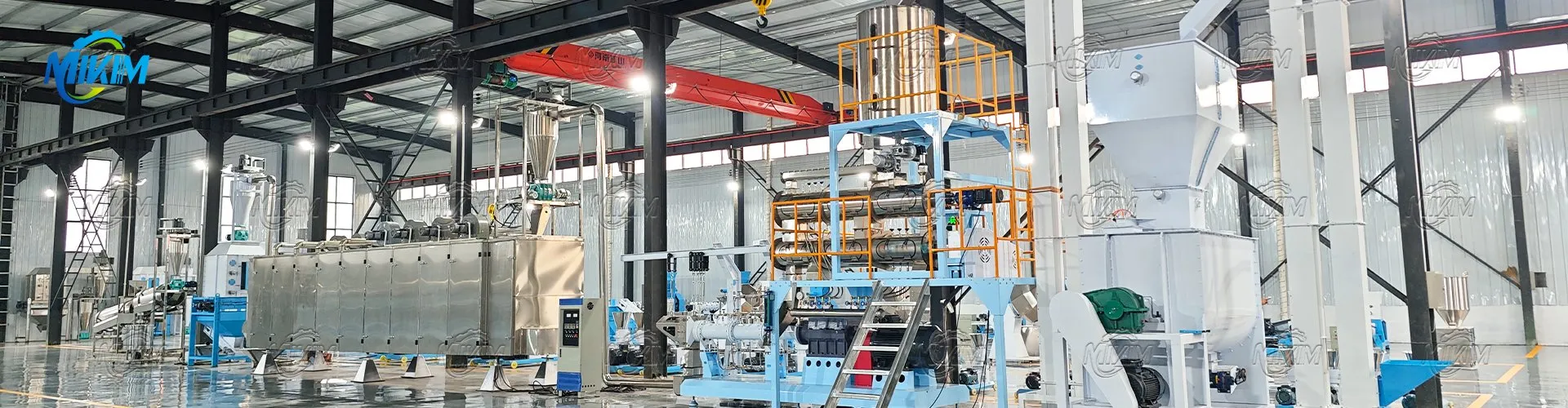
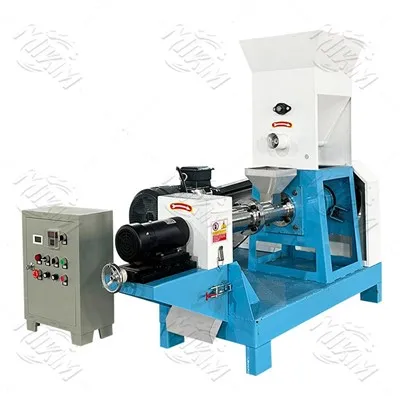
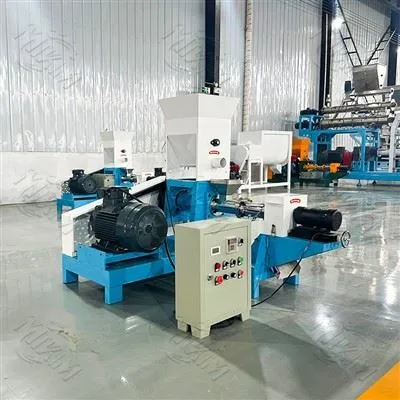
In modern feed processing systems, the small electric fish meal extruder machine is a key piece of equipment for transforming raw materials. Through specialized mechanical action, it processes powdered and granular raw materials into structurally stable and nutritionally balanced feed pellets, widely used in the production of feed for livestock, poultry, aquaculture, and pets. By definition, a feed extruder is a mechanical device that utilizes the rotating extrusion action of a screw, combined with the heating function of the barrel, to complete a series of processing steps within the machine, including mixing, gelatinization, and shaping of feed ingredients. Its core value lies in improving feed quality and digestibility.
The working principle of a dry-type fish meal extruder can be summarized as a closed-loop process of "extrusion-heating-shaping." First, pre-treated raw materials (such as crushed corn, soybean meal, and straw) enter the extruder barrel through a feeding system and move towards the discharge port under the rotation of the screw. During this process, the gap between the screw and the barrel gradually narrows, and the raw materials are subjected to intense extrusion, with the pressure continuously increasing to 3-10 MPa. Simultaneously, an external heating device (usually electric or steam heating) heats the raw materials to 80-120°C, causing the starch in the raw materials to fully gelatinize and the proteins to denature, forming a viscous homogeneous material. Finally, under pressure, the homogeneous material passes through a die (mold head) at the end of the barrel and is cut into pellets of a set length, completing the entire extrusion molding process. This high-temperature, high-pressure processing method not only kills harmful microorganisms in the raw materials but also destroys anti-nutritional factors, improving the safety and palatability of the feed.
From a component perspective, the fish meal pellet extruder mainly consists of five essential systems. The feed extruder consists of five main components: 1) a feeding system, including a hopper, feeder, and mixing device, responsible for uniformly and stably feeding raw materials into the barrel, preventing accumulation or interruption of feed. The feeder often uses frequency conversion control, allowing adjustment of the feeding speed according to production needs. 2) an extrusion system, composed of a screw and barrel, is the core working component. The screw's helical structure and the barrel's inner wall texture work together to convey and extrude the raw materials. The screw is typically made of high-strength alloy steel to withstand immense pressure and wear. 3) a heating and cooling system, with an external heating device on the barrel to raise the temperature. Some machines also have a cooling device to appropriately cool the raw materials after gelatinization, preventing excessive gelatinization that could affect quality. 4) a forming system, including a die and cutter. The die's orifice diameter determines the size of the feed pellets, and the cutter's rotation speed controls the pellet length, which can be flexibly adjusted according to the needs of different animals. 5) a transmission system, consisting of a motor, reducer, and coupling, provides power for the screw's rotation, ensuring stable equipment operation.
Compared to traditional feed processing equipment, the core advantages of a feed extruder are high processing efficiency and high feed quality. A medium-sized feed extruder can produce 1-3 tons of feed per hour, which is 2-3 times that of a traditional pellet mill. The feed pellets it processes have a dense structure and strong foam resistance. The foam resistance time of aquatic feed can reach more than 40 minutes, and the residual feed rate is reduced to less than 5%, which significantly improves feed utilization and reduces aquaculture pollution.


about Us
We offer:
One-Year Whole Machine Warranty Service
On-site Installation, Commissioning, and Technical Guidance
24/7 Online Technical Support
Qualifications and Honors

Customer visit

FAQ
1. What is the price of the fish feed extruder machine?
The price ranges from approximately $4,500-$50,000
2. Do you provide maintenance services for your customers?
Yes, we offer comprehensive after-sales maintenance services to our customers.