


Why Does The Dry-type Pet Feed Extruder Line Design Reduce Production Costs?
Leave a message
The pet feed pellet making production line is designed using three major cost control strategies: reducing raw material loss, lowering energy consumption, and optimizing labor allocation. These strategies squeeze cost space throughout the entire production process, significantly reducing feed production costs and enhancing the company's market competitiveness.
The refined design for controlling raw material loss reduces waste. In traditional single-machine production, raw material spillage during loading, unloading, and transfer reaches 5%-8%, with residual losses in the crusher and mixer reaching 2%-3%. The production line uses a closed conveyor system, ensuring a completely sealed process from raw material entry into the silo to finished product packaging, reducing spillage loss to below 1%. Simultaneously, the equipment features a "no dead corners" design, with smooth inner walls in the crusher's crushing chamber and the mixer's mixing chamber, equipped with automatic cleaning devices. After production, residual raw materials are blown away with compressed air, keeping residual losses below 0.5%.
The optimized design for energy consumption reduces energy costs. Energy consumption in feed production is mainly concentrated in the crushing and pelleting stages, accounting for over 70% of total energy consumption. The production line design employs a dual strategy of "energy-saving motors + energy recovery." Each piece of equipment is equipped with a high-efficiency energy-saving motor, saving 20%-30% more energy than traditional motors. Waste heat from the pellet mill is recovered through a heat exchanger and used to preheat the raw materials to be crushed, reducing energy consumption in the crushing process.
Optimized manual configuration reduces labor costs. In traditional single-machine production, a 10-ton-per-day production line requires 6-8 operators. However, the floating fish food production line, through automated control, achieves "one person, multiple machines" monitoring. Operators only need to set parameters through the central control system, which automatically regulates the operation of each piece of equipment. Daily work consists only of raw material replenishment and equipment inspection. A 20-ton-per-day production line requires only 2-3 people, reducing labor costs by over 70%. Simultaneously, the production line's automated packaging system replaces manual weighing and packaging, increasing the packaging speed from the traditional 20 bags/hour to 120 bags/hour, further reducing labor requirements.


about Us
We offer:
One-Year Whole Machine Warranty Service
On-site Installation, Commissioning, and Technical Guidance
24/7 Online Technical Support
Qualifications and Honors

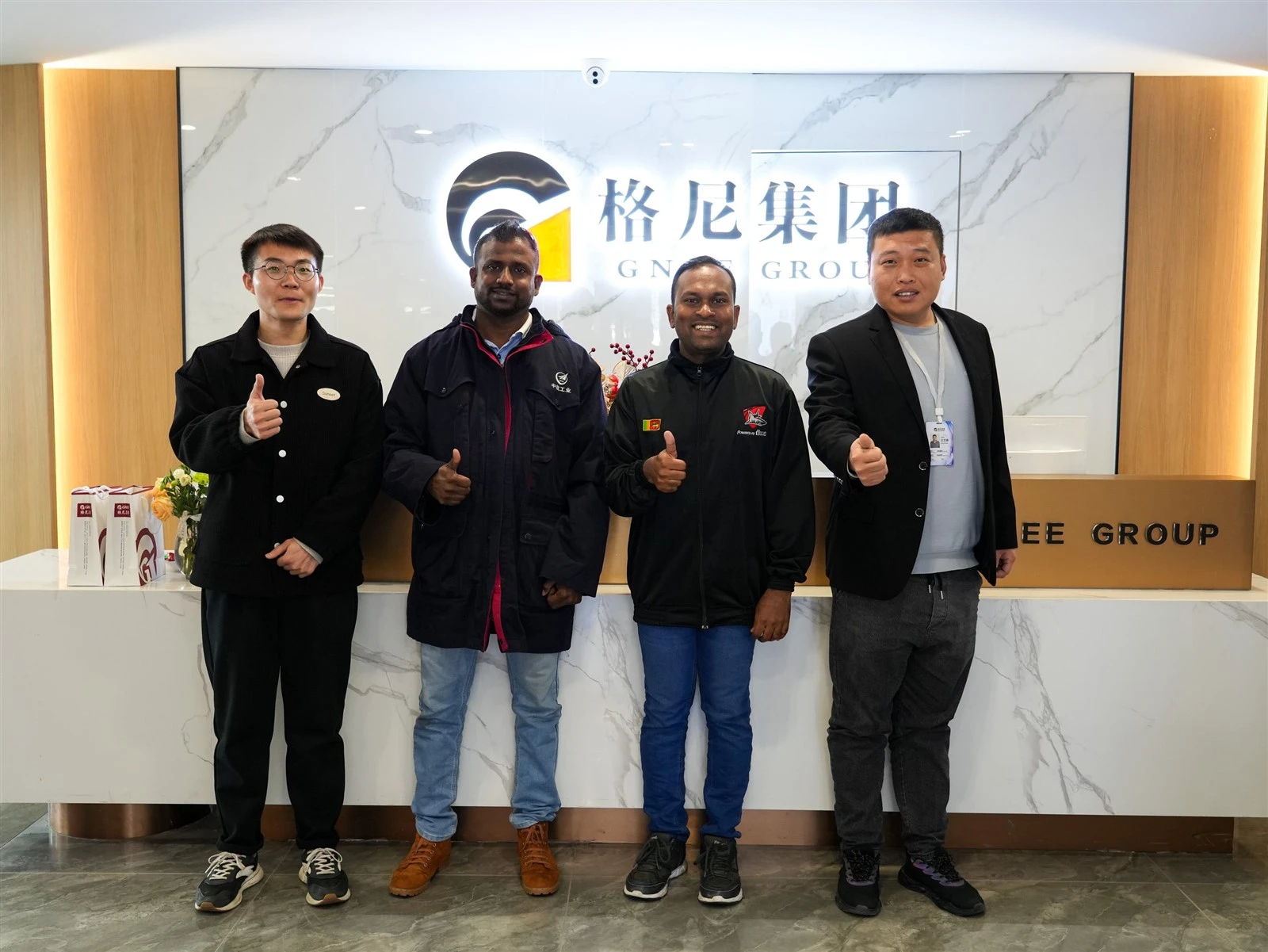
Customer visit
FAQ
1. What is the price of the fish feed pellet making production line?
The price ranges from approximately $8,500-$50,000
2. Do you provide maintenance services for your customers?
Yes, we offer comprehensive after-sales maintenance services to our customers.


