Causes and Solutions for Mold in Feed
Leave a message
Key Reasons for Mold in Feed
Mold in feed pellets develops when fungi-such as those that produce aflatoxin or ochratoxin-grow under the right conditions of temperature, humidity, and nutrients. This usually happens when control measures are lacking during four key stages: raw material sourcing, processing, storage, and transportation.
Raw material stage:
If corn, soybean meal, or straw are harvested in rainy conditions, excess moisture (corn >14%, straw >18%) and molds (e.g., Fusarium) may already exist. Poor storage, like poorly ventilated corn stacks, can also cause spoilage, leaving mold residues even after processing.
Processing stage:
Inadequate cleaning of pellet mill dies, rollers, or conveyors can leave moldy residues that contaminate new feed. Insufficient cooling of pellets further increases mold risk.
Storage stage:
Improper packaging, poor storage conditions, or keeping pellets for over 6 months can lead to gradual mold growth, even if they were safe at first.
Response measures
A well-designed feed pellet production line is an effective solution to prevent mold growth in feed pellets.
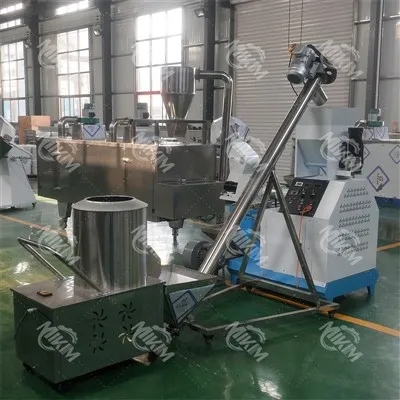
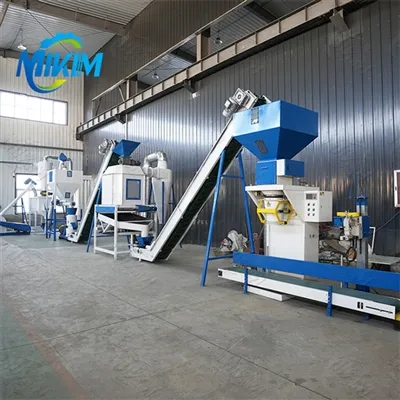
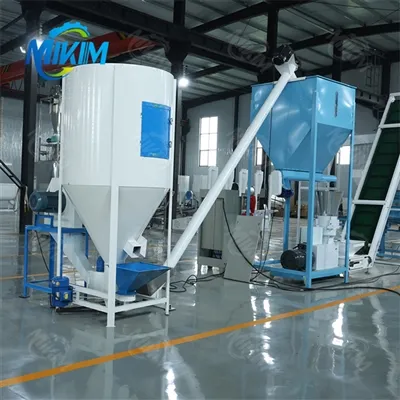
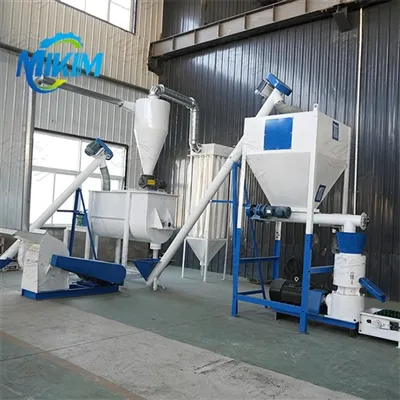
A feed pellet production line is powered by a seamlessly connected matrix of equipment.
- The grinder is a versatile machine with stable performance, delivering 10%–30% higher efficiency than standard crushers.
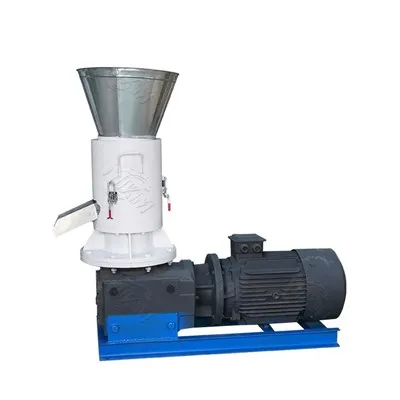
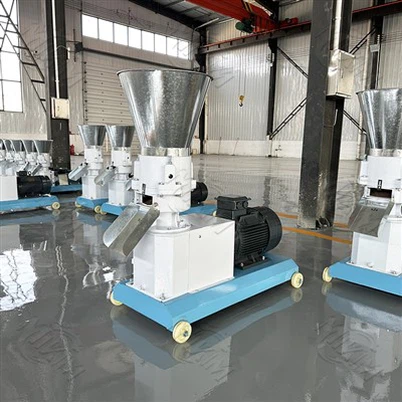
- The pellet mill delivers dense, uniform pellets through precision compression, guaranteeing consistent quality.
- The cooler rapidly locks in safe moisture levels, preserving nutrition and extending shelf life.
- The screening machine removes fines and broken pellets with care, keeping every batch clean and market-ready.
- Together, these machines form a powerful, integrated system that safeguards nutrition, enhances safety, and maximizes efficiency-becoming a trusted backbone for profitable, modern livestock farming.
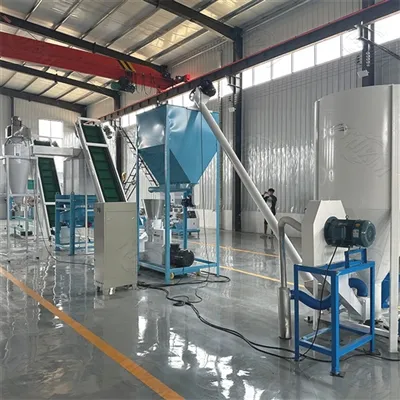
| Capacity | 15-20t/h |
| Range of application | large commerical feed factory,could make chicken,sheep,cow,shrimp feed |
| Workers requirments | 4-5 people |
| Shipment requirments | 6*40ft container |
| Product advantages | Fully automatic intelligent batching, computer control system with stable output, efficient and continuous operation, labor saving, direct packaging, particle size can be selected from 1-12mm. |
| size for whole line | According to land size and layout |

Hammer Mill
Feed grinder is a special equipment used to process crop straw, grain, soybean meal and other raw materials into powdered feed. It belongs to the category of crushing machinery and is mainly used in feed processing, biomass energy and straw comprehensive utilization.
Screw Conveyor
Used for conveying grain and powdery raw materials, sealed structure, reliable, clean, hygienic, no residue.


Stainless Steel Mixer
Stainless steel mixer is suitable for mixing powdered raw materials, with high efficiency and fast mixing speed, suitable for small-scale feed.
Feed Pellet Machine
Feed pellet machines are widely used in large, medium and small livestock and poultry farming. They can produce feed pellets of various specifications with simple structure, wide adaptability, small footprint and low noise.


cooler
Feed cooler is a cooling equipment that adopts the countercurrent cooling principle. The particles are cooled fully and evenly. It runs smoothly and discharges smoothly.
packer
The device mainly consists of three parts: automatic weighing and packaging machine, conveying device and sewing device. It is mainly suitable for quantitative packaging of granular and granular powder mixed materials.

Equipment Photos
Certificate of Honor