


Complete Processing Line Pet Food Production Line Fish Dog Cat Feed Making Machine
Leave a message
Product introduction
A fish feed pellet production line is a specialized, integrated equipment system designed to convert raw materials (e.g., fish meal, soybean meal, algae powder, grains, vitamins, and minerals) into standardized, water-stable pellet feed tailored to the nutritional needs of aquatic organisms (such as freshwater fish, marine fish, shrimp, and crabs). It combines multiple sequential processing technologies-from raw material pretreatment to final pellet cooling and packaging-into a continuous, automated workflow, ensuring the production of high-quality, safe, and efficient fish feed that meets the unique biological characteristics and feeding habits of aquatic species.

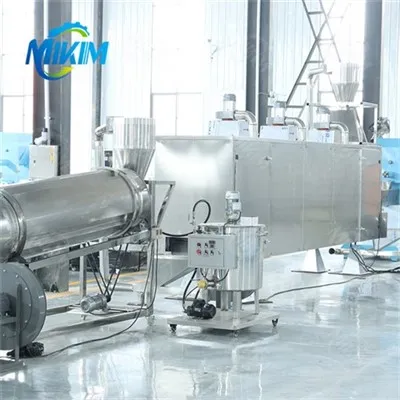
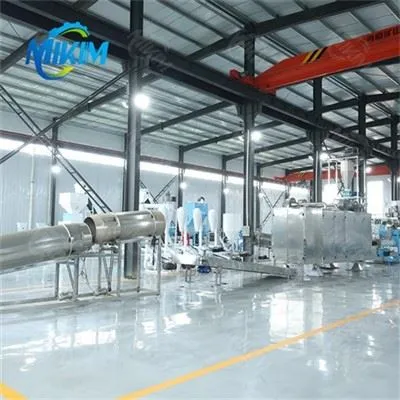
production lines
mixing→extruding→drying→flavoring →cooling →packing


Product advantages
1. Global aquaculture production exceeds 120 million tons annually, requiring massive volumes of feed (e.g., a medium-sized fish farm needs 500–1,000 tons of feed monthly). Fish feed production lines enable large-scale, continuous output:
High throughput: A standard medium-sized line can produce 1–5 tons of feed per hour, with 24/7 continuous operation (only requiring regular maintenance). This is 10–20 times more efficient than manual mixing and pelleting (which typically produce <0.1 tons per hour).
Fast batch switching: By adjusting extrusion parameters (temperature, pressure, speed) and changing molds, the same line can switch between producing feed for different species (e.g., from shrimp feed to tilapia feed) in 30–60 minutes, helping manufacturers respond quickly to diverse farm orders.
2. Strict Food Safety and Aquatic Environment Protection
Fish feed safety directly affects fish health, human food safety (via the food chain), and aquatic ecosystem balance. These steps prevent fish from ingesting harmful substances that cause organ damage or death.
Microbial control: The extrusion process (110–140°C, high pressure) kills 99% of harmful bacteria (e.g., Salmonella, Vibrio) in raw materials (such as fish meal), avoiding infectious diseases in fish schools. Closed processing (sealed conveyors, pipelines) also prevents cross-contamination from dust, microorganisms, or human contact.
Reduced environmental impact: High water stability of pellets minimizes nutrient leaching (e.g., nitrogen, phosphorus) into water bodies, lowering the risk of algal blooms and water pollution. Additionally, some advanced lines integrate waste recovery systems-fine powder generated during processing is collected and reprocessed, reducing raw material waste (waste rate <2%) and environmental burden.
Finished product display
All kinds of floating and sinking fish feed, crab feed, shrimp feed, and pet food can be made by our machines:

FAQ
1. What is the price of the aquaculture feed pellet production line?
The price ranges from approximately US$20,000.00 - 35,000.00.
2. Do you provide maintenance services for your customers?
Yes, we offer comprehensive after-sales maintenance services to our customers.
For more information on process flow design, equipment layout, factory construction plans, individual equipment pricing, or turnkey project proposals, please feel free to contact us!!!


