


Three Cleaning Tips and Common Mistakes for Floating Fish Feed Pellet Making Machines
Leave a message
content
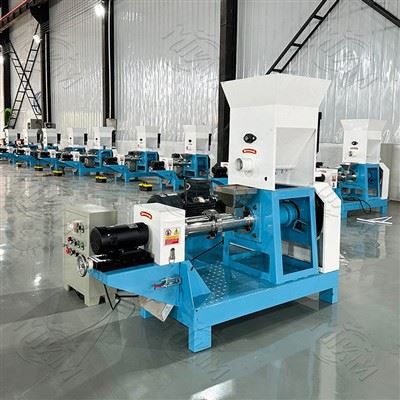
Small fish feed maker machine Cleaning core technique 1: Precise disassembly, avoid violent operation. When disassembling the die head and screw, use special tools and follow the steps in the equipment instruction manual. First, loosen the fixing bolts, then gently remove the parts. Do not pry them forcefully. In some small dog food pellet machines, the extruder screw is tightly connected to the motor. When disassembling, you can first rotate the motor shaft to assist in removing the screw, avoiding damage to the connection between the screw and the motor. After disassembly, clearly mark the parts to avoid confusion during reassembly and affecting the machine's operating accuracy.
Small fish feed making machine Cleaning core technique 2: Targeted cleaning of different parts. The die head has a small aperture. When cleaning, use a soft-bristled brush or toothpick that matches the aperture size to gently remove residual material. For stubborn burnt material, soak the die head in warm water at around 80℃ for 20 minutes to soften the burnt material before cleaning. Do not use needles, wires, or other sharp tools, as this may enlarge the aperture and affect the subsequent dog food forming effect. The screw surface has helical blades. When cleaning, gently scrape away any residue along the blade direction with a scraper, then use a soft-bristled brush with warm water to scrub, paying particular attention to cleaning the hard-to-reach areas at the base of the blades to prevent residue buildup. The inner wall of the extrusion chamber requires a special long-handled cleaning brush with diluted food-grade detergent, wiping repeatedly to ensure no oil or burnt layers remain.
Core Tip 3: Scientific Drying to Prevent Rust. After cleaning, the Small Fish Feed Extruder Machine parts must be thoroughly dried. The die and screw can be air-dried in a ventilated area or dried with a heat gun at a low temperature (50-60℃). Excessive heat can cause component deformation. After drying, a small amount of food-grade lubricating oil can be applied to the screw surface and the inner wall of the extrusion chamber to form a protective film, preventing rust and improving feeding smoothness in the next production run.
Common Cleaning Mistake 1: Directly rinsing the small fish feed pellet making machine body with a high-pressure water gun. The impact of a high-pressure water gun can easily damage precision components of the extruder, such as the temperature control system and pressure sensors. Water can also seep into the motor, causing short circuits. The correct procedure is to only rinse the disassembled parts and wipe the main body of the machine with a dry cloth.
Misconception 2: Assembling the equipment before it is completely dry after cleaning. Residual moisture can cause the screw and the inner wall of the extrusion chamber to rust and can also breed bacteria, contaminating the dog food produced later.
Misconception 3: Using non-food grade cleaning agents. The chemical residues in ordinary cleaning agents can harm pets' health if mixed into the dog food. It is essential to use cleaning agents that meet food hygiene standards, and to rinse thoroughly with clean water after cleaning to ensure no residue remains.
Related equipment


about Us
MIKIM's fish feed pellet production lines and supporting machinery offer excellent value for money. Not only are they affordable, eliminating middlemen markups and allowing small and medium-sized enterprises (SMEs) and fish farmers to purchase complete sets of equipment at reasonable costs, but they also boast exceptional efficiency. The fully automated process, from raw material crushing and precise ingredient mixing to extrusion pelleting and maturation, is completed in one continuous flow. This results in high starch gelatinization rates and uniform pellet formation, significantly improving production efficiency and feed quality, truly achieving "low cost, high output." Choosing a MIKIM fish feed pellet production line means enjoying comprehensive pre-sales and after-sales service, including 24-hour online customer support, a one-year warranty on the entire machine, professional on-site installation, commissioning, and maintenance, and a stable supply of spare parts. Customers can buy with confidence and use with peace of mind, with both excellent value and service quality!!!
Customer visit

Certificate of Honor

FAQ
1. What is the price of the fish feed production equipment?
The price ranges from approximately $1,500-$55,000
2. Do you provide maintenance services for your customers?
Yes, we offer comprehensive after-sales maintenance services to our customers.
If you would like to learn more about MIKIM machinery, please contact us. We offer one-stop service and welcome your inquiries!!!


