Using a Small Cat Food Making Machine for Different Cat Nutrition Needs
Leave a message
content
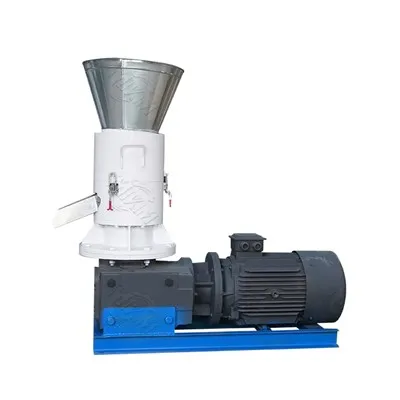
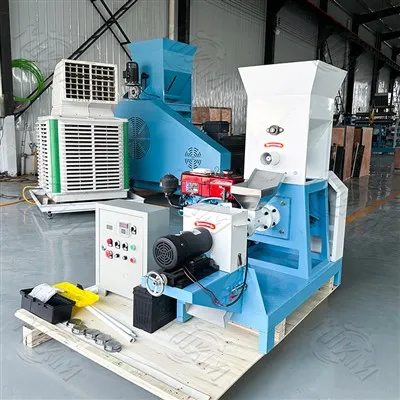
Instructions for producing kitten food: Kittens have weak digestive systems and require high nutrient density. The core principle is "low-temperature cooking and fine-particle forming." Raw materials should be high in protein and easily digestible (fish meal and chicken meal accounting for 35%-40%), with a particle size increased to 100 mesh. When using cat food extrusion equipment, the extruder temperature should be controlled at 120-130℃, the screw speed at 350-400 rpm, and the feeding speed at 5-8 kg/h to ensure thorough cooking of the raw materials and a heat-sensitive nutrient retention rate of over 70%. A 1-1.5mm fine die should be used to produce small particles for easy consumption by kittens. In the post-processing stage, after cooling, probiotics (live bacteria count ≥10^8 CFU/g) are added through a post-coating process to improve intestinal adaptability.
Instructions for producing senior cat food: Senior cats have worn teeth and weakened kidney function, requiring a "low-hardness, low-phosphorus formula." Raw materials should reduce high-phosphorus components and increase easily digestible plant protein. The parameters for the cat food making machine should be adjusted as follows: temperature 125-135℃, speed 300-350 rpm, feeding speed 8-10 kg/h. Reduce the extrusion pressure to make the pellets softer, with a hardness controlled at 2-3 kgf. Use a 2mm die head to produce uniform pellets, avoiding excessively large pellets that increase chewing burden. Extend the cooling time to 25-30 minutes to ensure complete cooling and a crispier texture.
Instructions for producing hypoallergenic cat food: Hypoallergenic cat food must avoid grains and common allergens. Use single-protein ingredients (such as single-origin chicken meal) and grain-free ingredients (pea flour, sweet potato flour). When using the small pet food extrusion machine, the extruder temperature needs to be increased to 135-140℃, and the speed to 380-400 rpm. Because grain-free ingredients have low starch content, higher temperatures and speeds are required to ensure proper cooking and shaping. Control the feeding speed at 6-8 kg/h to ensure the raw materials are fully mixed and cooked in the extrusion chamber. The die head uses a 2mm aperture to produce uniform pellets. Throughout the production process, the equipment must be thoroughly cleaned to avoid cross-contamination with grain-containing raw materials, especially the extrusion chamber and screw of the extruder, which must be disassembled and thoroughly cleaned.
Instructions for producing fattening, cheek-enhancing cat food: This type of cat food requires high energy and high fat content, with increased fish oil and animal fat content (10%-15%). The dry dog food making machine should be operated at a temperature of 130-140℃, a speed of 350-400 rpm, and a feeding speed of 7-9 kg/h. Due to the high fat content, fat should be added last during the mixing stage, and the feeding speed must be stable to prevent the fat from causing slippage and affecting feeding smoothness. A 2-3mm die head is used to produce slightly larger pellets to improve satiety. In the post-processing stage, an additional layer of fish oil can be sprayed to improve palatability and energy density. By precisely adjusting the extruder parameters and raw material formula, customized cat food suitable for different needs can be produced using this cat food making machine.
Related equipment


about Us
MIKIM's fish feed pellet production lines and supporting machinery offer excellent value for money. Not only are they affordable, eliminating middlemen markups and allowing small and medium-sized enterprises (SMEs) and fish farmers to purchase complete sets of equipment at reasonable costs, but they also boast exceptional efficiency. The fully automated process, from raw material crushing and precise ingredient mixing to extrusion pelleting and maturation, is completed in one continuous flow. This results in high starch gelatinization rates and uniform pellet formation, significantly improving production efficiency and feed quality, truly achieving "low cost, high output." Choosing a MIKIM fish feed pellet production line means enjoying comprehensive pre-sales and after-sales service, including 24-hour online customer support, a one-year warranty on the entire machine, professional on-site installation, commissioning, and maintenance, and a stable supply of spare parts. Customers can buy with confidence and use with peace of mind, with both excellent value and service quality!!!
Customer visit

Certificate of Honor

FAQ
1. What is the price of the small fish feed pellet making machine?
The price ranges from approximately $1,500-$55,000
2. Do you provide maintenance services for your customers?
Yes, we offer comprehensive after-sales maintenance services to our customers.
If you would like to learn more about MIKIM machinery, please contact us. We offer one-stop service and welcome your inquiries!!!