


Analysis Of The Application Of Small Fish Food Making Machines in Different Aquaculture Scenarios
Leave a message
In livestock and poultry farming, floating fish feed manufacturing machines are mainly used to produce feed for young animals such as piglets and chicks, as well as compound feed for fattening. Their core requirement is to improve feed digestibility and safety. Young animals' digestive systems are not yet fully developed, requiring a high degree of feed gelatinization. The feed extruder, through high temperatures of 100-110℃ and pressures of 5-8MPa, achieves a starch gelatinization rate of over 85% and sufficient protein denaturation, increasing the digestibility and absorption rate of piglets by over 30% and reducing the diarrhea rate to below 5%. A pig farm in Shandong used an extruder to produce starter feed for piglets, increasing the survival rate from 85% to 96% and shortening the growth cycle by 15 days. In terms of process adjustments, the die diameter of the livestock and poultry feed extruder is selected at 3-4mm, and the cutter speed is controlled at 300r/min, producing uniformly sized pellets suitable for young animals. Adding 5%-10% whey powder to the raw materials ensures even distribution through the mixing action of the extruder, improving feed palatability. For livestock and poultry feed during the fattening period, the gelatinization degree can be appropriately reduced to improve production efficiency and lower processing costs.
In aquaculture, the core function of a fish pellet maker machine is to produce aquatic feed with strong foam resistance and stable buoyancy, which is determined by the feeding environment of aquatic animals. Fish, shrimp, crabs, and other aquatic animals feed in water; if the feed easily disintegrates, it will not only cause waste but also pollute the water. Feed extruders, by optimizing the screw compression ratio and die structure, enable feed pellets to form a dense outer shell, achieving a foam resistance time of 40-60 minutes and reducing the residual feed rate to below 3%. A shrimp farm in Guangdong using extruders to produce shrimp feed saw the ammonia nitrogen content in the aquaculture water decrease from 0.8 mg/L to 0.3 mg/L, and the shrimp weight gain rate increased by 25%. The key to process adjustments in aquatic feed extruders lies in temperature and pressure control. For shrimp and crab feed, the extrusion temperature needs to be increased to 110-120℃, and the pressure to 8-10MPa to ensure full starch gelatinization. A die diameter of 2-3mm and a cutter speed of 200r/min are recommended to produce pellets of a size suitable for shrimp and crab consumption. Some floating aquatic feeds require post-extrusion drying to reduce moisture content and improve buoyancy.
In the pet food sector, floating fish food extruders are used to produce dog food, cat food, and pet treats, with a focus on palatability and nutritional balance. Pet food ingredients are diverse, including meat meal, vegetable meal, and grains. The feed extruder, through the synergistic action of twin screws, thoroughly mixes raw materials of different densities, ensuring uniform nutrient content in each pellet. Simultaneously, the Maillard reaction during extrusion imparts a natural meaty aroma to the feed, enhancing pets' appetite. A pet food factory in Shanghai using an extruder to produce chicken-flavored dog food saw a 40% increase in pet consumption and a significant increase in customer repurchase rates. The process adjustment of pet food extruders focuses on flavor and texture. The extrusion temperature is controlled at 90-100℃ to avoid high temperature damage to flavor substances. Special shapes (such as bone-shaped or round) can be selected for the die head to enhance the product's appeal. After the pellets are cooled, they are sprayed with oil to further enhance palatability.

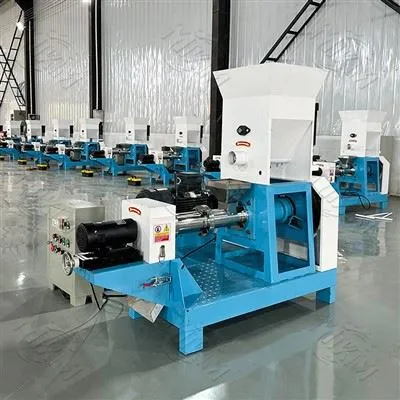


about Us
We offer:
One-Year Whole Machine Warranty Service
On-site Installation, Commissioning, and Technical Guidance
24/7 Online Technical Support
Qualifications and Honors

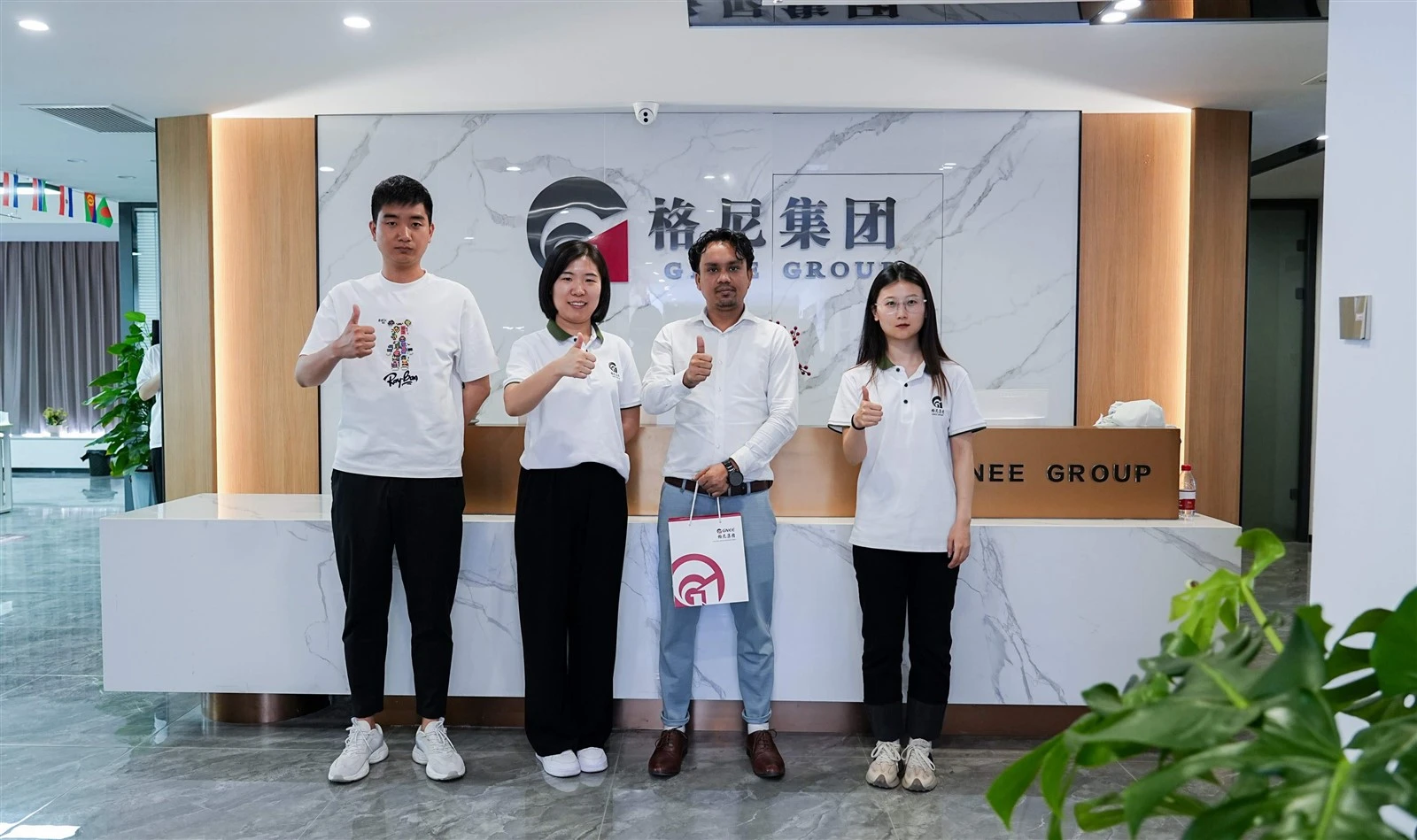
Customer visit
FAQ
1. What is the price of the fish feed pellet making machine?
The price ranges from approximately $4,500-$50,000
2. Do you provide maintenance services for your customers?
Yes, we offer comprehensive after-sales maintenance services to our customers.


