What Are The Core Parts Of A Floating Fish Meal Making Machine?
Leave a message
content
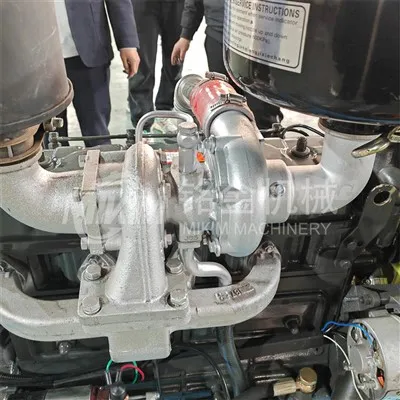
Core Power Component: The Motor – The "Power Source" of Equipment Operation
The motor is the core power component of the floating fish meal processing machine and is crucial for its power coordination with the extruder. It is mainly divided into two types: asynchronous motors and variable frequency motors (typical power 15-37kW), with the selection based on precise matching between the pellet mill's capacity and the extruder's power. Its core function is to provide power to all moving parts of the pellet mill, such as the pressure rollers, cutter, feeding device, and linkage drive shaft. It must also coordinate with the power and speed of the extruder motor. If the extruder has a high power (high capacity), a pellet mill motor with matching power must be selected to avoid insufficient power leading to linkage jamming and material accumulation. Variable frequency motors can achieve stepless speed adjustment, precisely adapting to fluctuations in the extruder's output speed, ensuring uniform pellet formation, making them the preferred power component for floating fish food making machines. During operation, the motor must be equipped with a cooling fan and overload protection device to prevent overheating damage from prolonged high-intensity operation and to prevent overload failures when linked with the extruder.
Core Transmission Component 1: Gearbox, the "Core Hub" of Power Regulation
The gearbox is the core component of the transmission system in a floating fish food maker machine. Installed between the motor and the linkage drive shaft and pressure roller shaft, it mainly consists of three parts: gears, bearings, and a lubricating oil tank. Its core function is to regulate the motor's output speed and torque, converting the motor's high-speed rotation into low-speed, high-torque rotation of the pressure roller and linkage drive shaft. This precisely matches the pelletizer's forming requirements and the extruder's linkage speed requirements (300-380 r/min). For example, if the motor's output speed is typically 1480 r/min, after being reduced by the gearbox, the speed transmitted to the pressure roller and linkage drive shaft is reduced to the standard range, while the torque is increased, ensuring the pressure roller has sufficient extrusion force to meet the pressure requirements of the floating fish feed extruder machine. The gearbox requires regular replenishment of special lubricating oil and cleaning of sludge to prevent gear wear and bearing seizure; otherwise, power transmission will be interrupted, affecting the coordinated operation of the pelletizer and extruder.
Core Transmission Component 2: Belt Drive Assembly, the "Flexible Connector" for Power Transmission
The belt drive assembly is an auxiliary core component of the transmission system of the floating fish food manufacturing extruder machine. It mainly consists of three parts: pulleys, drive belt, and tensioning device. It is used for power transmission between the motor and the gearbox/cutter shaft. Compared to direct gear transmission, it offers advantages in flexible connection and vibration damping. Its core function is to smoothly transmit motor power while buffering vibrations during motor operation, preventing vibrations from being transmitted to the extruder, which could lead to fluctuations in extruder parameters and component wear, thus ensuring the stability of their coordinated operation. The drive belt must be a wear-resistant and high-temperature-resistant rubber belt, suitable for the high-temperature environment of the floating fish food pellet manufacturing machine (ambient temperatures can reach above 60℃). The tensioning device can adjust the belt tension to prevent belt slippage and insufficient power transmission. If the belt is worn or loose, it will cause fluctuations in the pellet mill speed, affecting the uniformity of pellet formation, requiring regular inspection and replacement.
Our equipment


Why choose us?
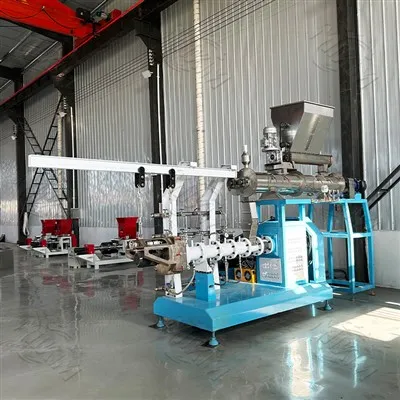
The MIKIM's floating fish feed extruder machine is constructed entirely of food-grade 304 stainless steel, fully complying with food processing hygiene standards. It is corrosion-resistant, easy to clean, and eliminates potential contamination at the source. The core screw is made of high-quality alloy steel through special heat treatment, offering outstanding wear resistance and corrosion resistance. Combined with its integrated structural design, this significantly extends its service life. The entire machine has passed CE and ISO international authoritative certifications, aligning with global quality standards and ensuring safer and more reliable processing.
Our Services
We offer:
One-Year Whole Machine Warranty Service
On-site Installation, Commissioning, and Technical Guidance
24/7 Online Technical Support
Qualifications and Honors

Customer visit

FAQ
1. What is the price of the automatic fish feed making machine?
The price ranges from approximately $1,500-$50,000
2. How do you deliver to customers?
MIKIM Machinery's machinery delivery follows a complete process of "customized preparation - safe and fast delivery - precise handover - after-sales extension", with 3-day fast delivery, multi-layer protective packaging, global logistics tracking and 1-year warranty + on-site technical service to ensure that the equipment is delivered efficiently and in good condition and put into use smoothly.