Efficient Sheep Farming Practice: Operation Strategy Of Modern Cattle And Sheep Feed Equipment
Leave a message
For ruminants such as cattle and sheep, the rational use of feed equipment and the mastery of operation strategies directly affect breeding efficiency and economic benefits. Let's discuss the operation strategy of modern cattle and sheep feed equipment.
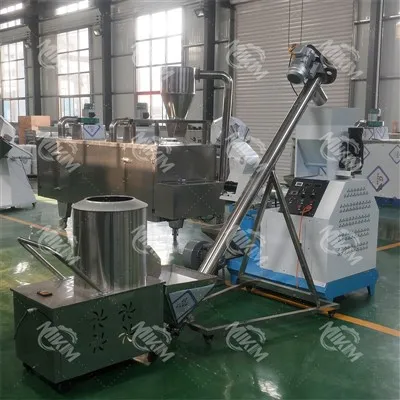
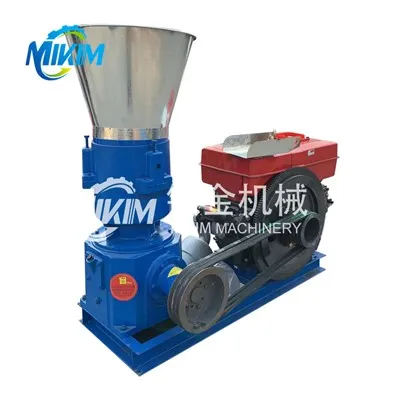
First, we need to understand different types of feed equipment. Common cattle and sheep feed equipment includes automatic feeders, electronic scales, mixers, etc. Automatic feeders can accurately feed feed to the designated location, greatly improving the efficiency of feeding; electronic scales can monitor the weight changes of cattle and sheep in real time to help adjust the amount of feed; mixers can mix feed evenly to ensure balanced feed nutrition. Understanding the functions and characteristics of these equipment is essential for rational use and operation.

|
Model |
Capacity |
Power |
|
MK-150 |
120-150kg/h |
4kw |
|
MK-210 |
200-300kg/h |
7.5kw |
|
MK-260 |
500-600kg/h |
15kw |
|
MK-300 |
700-800kg/h |
22kw |
Secondly, regular maintenance and cleaning of feed equipment is the key to improving efficiency. Any mechanical equipment requires regular maintenance to maintain good working condition. For example, the bearings of the feeder need to be lubricated regularly to reduce wear; the sensors of the electronic scale need to be calibrated regularly to ensure accuracy; the blades of the mixer need to be cleaned regularly to prevent clogging. In addition, the cleaning of the feed equipment is also very important to avoid feed contamination and affect the health of the animals.
Then, scientifically setting the feed formula and feeding time is also part of the operation strategy. The nutritional needs of cattle and sheep are different at different stages, so a scientific feed formula can help ensure that the nutritional needs of animals are met. At the same time, a reasonable feeding time can help control the weight gain rate of animals and avoid health problems caused by overfeeding.