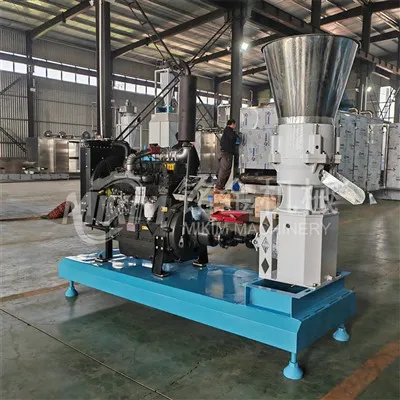
How To Control The Drying And Cooling Of Pet Food Pellets?
Leave a message
Pet food pellets are rich in heat-sensitive ingredients such as meat meal and egg yolk powder. Freshly pelleted, they are at 60-70℃ with a moisture content of 17%-21%. Drying and cooling must adhere to the principle of "low temperature, short time," reducing moisture to 10%-12% and temperature to 22-25℃ while maximizing the preservation of nutrients and natural flavor.
Vacuum freeze dryers or low-temperature spray dryers are preferred for the drying process. Vacuum freeze dryers sublimate the moisture in the pellets under vacuum, controlling the temperature at 40-50℃ for 25-30 minutes. This process fully preserves the natural flavor and vitamin activity of the meat meal, making it suitable for high-end pet food production. If cost is limited, low-temperature hot air dryers can also be used, strictly controlling the hot air temperature at 60-70℃, the air velocity at 0.5-0.8 m/s, and the drying time at 20-25 minutes to avoid high temperatures damaging the amino acids and flavor compounds in chicken and fish meal. Temperatures must be avoided exceeding 75℃ during production, otherwise the pet food will develop a burnt taste, affecting palatability.
The cooling process requires low-temperature air cooling, and a box-type cooler is recommended. Set the cooling temperature to 15-20℃, the airflow speed to 0.6-0.8 m/s, and the cooling time to 20-25 minutes. This type of equipment has good sealing properties, preventing external odors from contaminating the feed. Simultaneously, the low-temperature airflow quickly removes heat from the pellets, reducing nutrient loss. For pet food with added probiotics, the cooling temperature should be controlled below 40℃. Once the pellet temperature drops to 35℃, add the probiotics via a post-coating method to prevent the high temperature from killing the active ingredients. Immediately after cooling, the pellets should be coated with flavorings, such as chicken oil or fish oil. The residual moisture on the pellet surface allows the flavor substances to adhere better, improving palatability.
Key considerations include: First, precise temperature control. Multiple temperature sensors are installed inside the dryer and cooler to ensure uniform temperature across all areas and prevent localized overheating. Second, hygiene control. After each day's production, the equipment interior is cleaned with food-grade detergent and then disinfected with ultraviolet light for 30 minutes to prevent feed residue and mold growth, ensuring pet health. Third, batch isolation. The equipment must be thoroughly cleaned when drying and cooling different flavors of pet food to avoid cross-contamination. For example, after producing chicken-flavored cat food, the equipment must be thoroughly cleaned before producing fish-flavored dog food. Additionally, smaller pet food pellets (such as kitten food) require equipment with smaller mesh sizes to prevent pellet leakage; larger dog food pellets can have a longer cooling time to ensure the internal temperature reaches the target level.


about Us
We offer:
One-Year Whole Machine Warranty Service
On-site Installation, Commissioning, and Technical Guidance
24/7 Online Technical Support
Qualifications and Honors

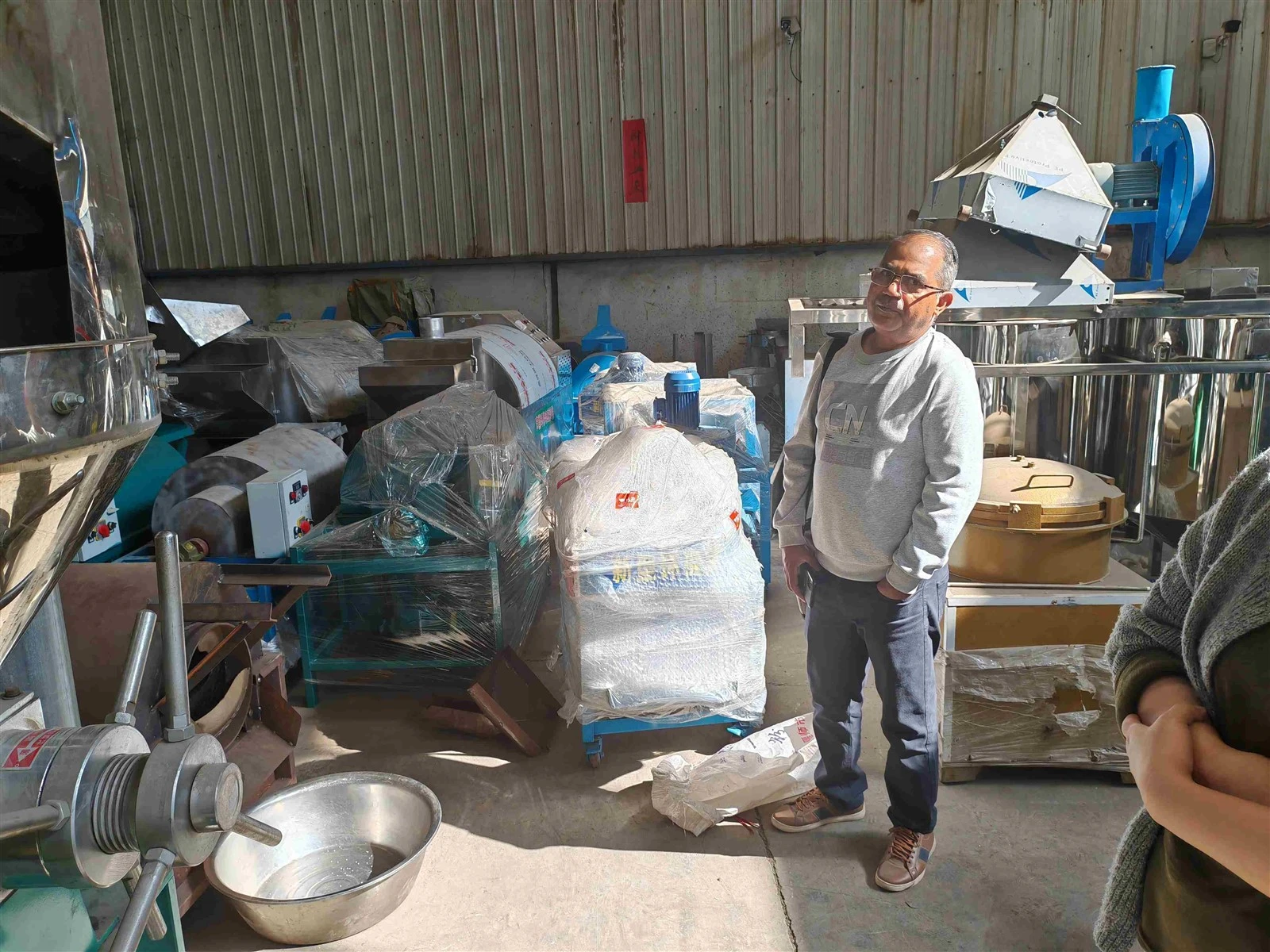
Customer visit
FAQ
1. What is the price of the floating fish feed making machine?
The price ranges from approximately $4,500-$35,000
2. Do you provide maintenance services for your customers?
Yes, we offer comprehensive after-sales maintenance services to our customers.