

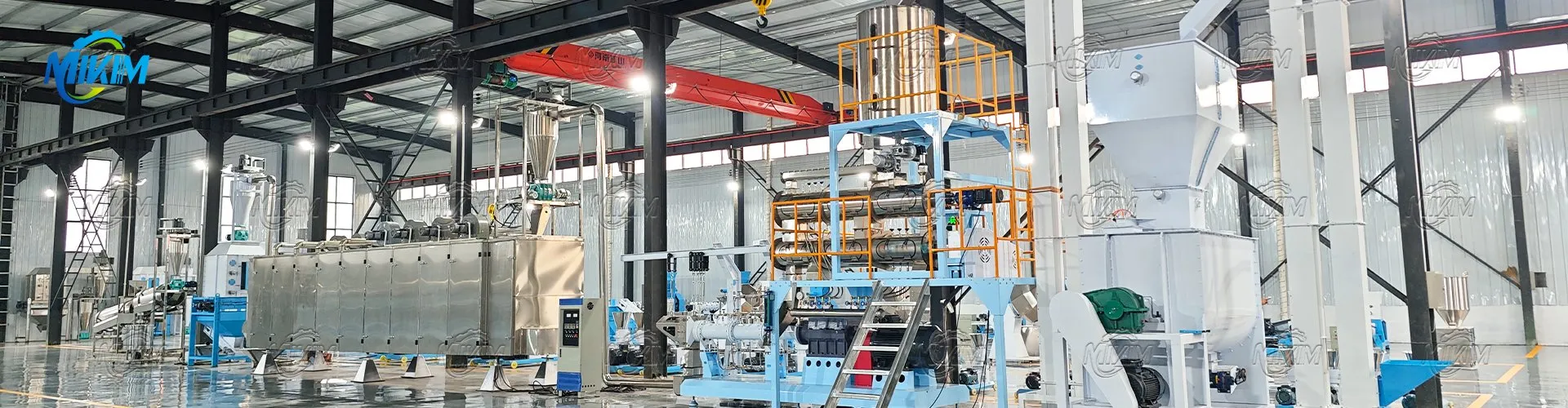
How To Use A Rabbit-specific Extruded Feed Pellet Mill To Save Feed?
Leave a message
Usage and Procedures
Step 1: Start-up Inspection. Hay meal easily clogs the hopper. First, check if the discharge port at the bottom of the hopper is clear. Scrape it open by hand to ensure there are no clumps of hay meal residue from the previous batch. Then check if the screw speed is normal. Rabbit feed needs to be extruded slowly; adjust the speed to 200 rpm.
Step 2: Raw Material Processing and Feeding. Sift alfalfa hay meal and timothy hay meal to remove coarse stems. Mix them with soybean meal and cornmeal according to the formula, adding warm water to adjust the moisture content. The moisture content should be 25% for baby rabbit feed and 22% for adult rabbit feed. Add feed in small handfuls with a small shovel; do not pour in too much at once. The hay meal is loose, and piling it too high will clog the hopper outlet.
Step 3: Parameter Adjustment. Temperature 110℃, pressure 5MPa. Hay meal is high in fiber; too high a temperature will burn it, affecting the rabbits' appetite. If the pellets are loose and crumbly after output, add a small amount of water; if they are too hard, lower the pressure. Adult rabbit feed should be slightly harder to help with teeth grinding.
Step 4: Stop and clean. Near the end of feeding, add a small amount of cornmeal (about 1 pound) to help carry away the hay dust in the drum, reducing residue. After stopping the machine, immediately remove the hopper and use a blower to remove the hay dust to prevent clumping.
Maintenance Precautions
① Thoroughly clean the hopper and barrel: Use a stiff-bristled brush to clean the hopper (grass powder adheres well and a soft-bristled brush won't clean it effectively). Use a special cleaning rod (with bristles at one end) to reach inside the barrel and rotate it several times to scrape off the grass powder from the inner wall. Prevent the grass powder from remaining inside and causing it to become damp and moldy.
② Regularly lubricate the screw: Due to the high friction caused by grass powder, apply a layer of food-grade lubricating oil to the screw every three uses. Do not use industrial oil, as it will contaminate the feed. Apply a thin layer; too much will cause it to stick to the grass powder.
③ Prevent the grass powder from getting damp: Grass powder will clump when it absorbs moisture. Store it in sealed bags when purchasing, and only use the amount needed each time. Use up the grass powder in the hopper on the same day; do not leave it overnight. In humid weather, place a dehumidifier next to the hopper.
④ Check the tightness of the screws: When the grass powder is squeezed, resistance will be generated and the machine will vibrate a lot. Check the screws on the machine body every week, especially the mold fixing screws. Tighten them if they are loose to prevent the mold from shifting and producing particles of different sizes.


about Us
Qualifications and Honors

Customer visit

FAQ
1. What is the price of the floating fish feed making machine?
The price ranges from approximately $6,000-$22,000
2. Do you provide maintenance services for your customers?
Yes, we offer comprehensive after-sales maintenance services to our customers.


