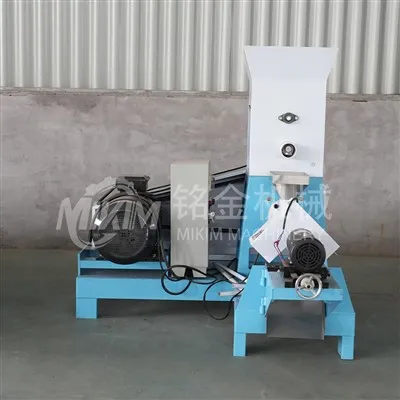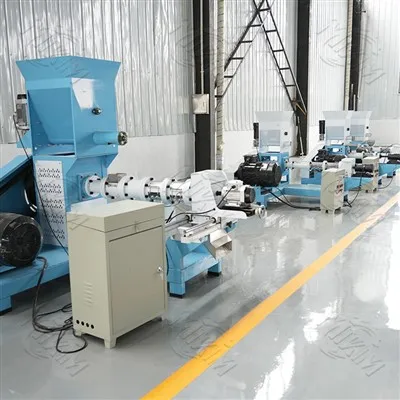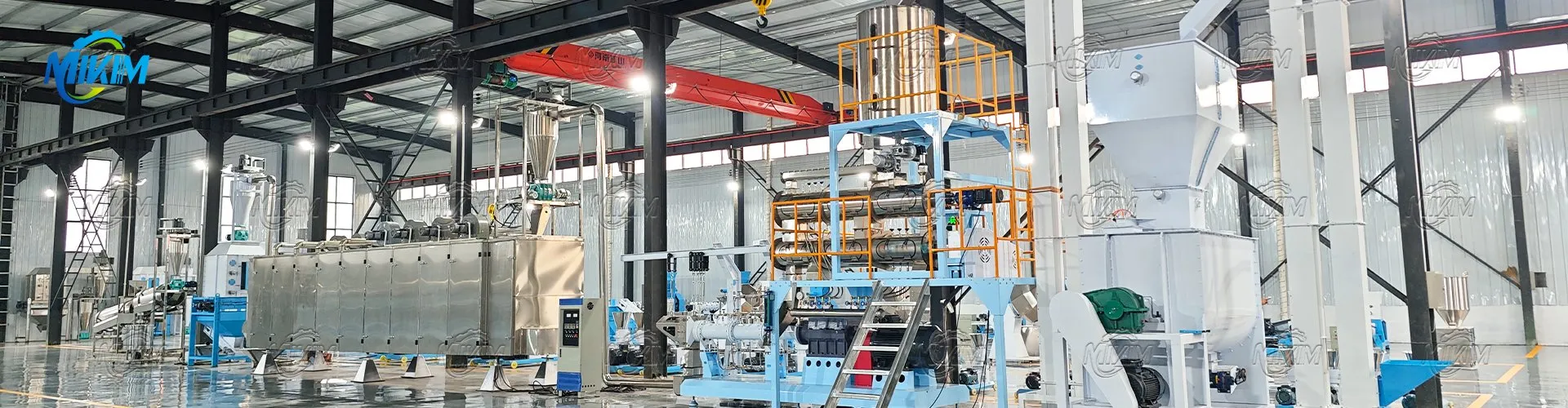
What Are The Main Features Of An Extruded Feed Pellet Mill?
Leave a message
Three characteristics
1. Wear-resistant and corrosion-resistant, even with the most abrasive raw materials: Aquatic feed often contains high-hardness ingredients like shell powder and fish bone meal. Ordinary machines quickly wear down their screws and molds. The small floating fish food machine's screw is made of high-strength alloy, and the mold is made of wear-resistant ceramic material, essentially giving the machine "protective armor." Even when producing high-calcium shrimp feed daily, it can last 3-5 years, twice the lifespan of ordinary machines. Furthermore, the internal coating is corrosion-resistant, preventing corrosion from seawater salt and high-protein moisture in the raw materials, making it safe for use in coastal aquaculture farms.
2. Mini fish food making machine with a wide adjustable parameter range, allowing for easy switching between sinking and floating feeds: Shrimp feed requires sinking feed that sinks to the bottom in 10 seconds; bass feed requires floating feed that can float on the surface for 4 hours. This is all thanks to the machine's adjustable parameter capabilities. This pellet mill features adjustable temperatures from 100℃ to 160℃ and pressures from 4MPa to 8MPa. Higher temperatures and pressures result in more fully expanded raw materials, creating pellets with small air bubbles that float. Lower temperatures and pressures lead to denser pellets that sink. No need to change machines; simply press a button on the control panel to switch modes in one minute, making it incredibly convenient for polyculture farmers.
3. The floating fish food machine offers flexible production capacity, suitable for both small and large ponds: From small ponds of 10 mu to large aquaculture bases of thousands of mu, the machine's output can be matched. Small machines produce 300 jin per hour, enough for a small pond for a day; large machines produce 5 tons per hour, meeting the needs of even large aquaculture bases. Furthermore, the feed inlet is designed to be exceptionally large, allowing coarse raw materials to be poured in without repeated crushing, saving pre-treatment time. Even during busy peak farming seasons, there's no need to work overnight to prepare feed.
These features perfectly solve the problems of "raw material grinding machines, diverse feed types, and varying production demands" in aquaculture, allowing farmers to prepare feed without having to "depend on the machines" and to do whatever is most convenient for them.


about Us
Qualifications and Honors

Customer visit

FAQ
1. What is the price of the feed pellet mill?
The price ranges from approximately $6,000-$22,000
2. Do you provide maintenance services for your customers?
Yes, we offer comprehensive after-sales maintenance services to our customers.