How should new fish feed ingredients be incorporated into the formula?
Leave a message
With increasingly stringent environmental regulations and a shortage of traditional fishmeal resources, many factories are starting to experiment with new raw materials-such as insect protein made from black soldier flies and spirulina grown in ponds. However, many people don't know how to incorporate these new raw materials into their formulations and worry that their production lines can't handle them (for example, insect protein tends to stick to machinery, and algae has a high moisture content), so they are hesitant to try them.
New raw material classification
New ingredient 1: Insect protein (black soldier fly larvae powder) – High in protein and environmentally friendly, a good alternative to fishmeal.
1. Formula Addition Method: Replace 10%-30% of fishmeal without affecting quality.
For example, in a sea bass formula: if the original fishmeal content is 40%, you can replace 12% fishmeal with 12% insect protein. After adjustment, the fishmeal content will be 28% + insect protein 12%, with other ingredients remaining unchanged.
Combination Tips: Insect protein has a slightly fishy smell and can replace some attractants, so the amount of attractants in the formula can be reduced by 2%, further reducing costs. If raising shrimp, you can also add 5% shrimp shell powder to the insect protein for better calcium supplementation.
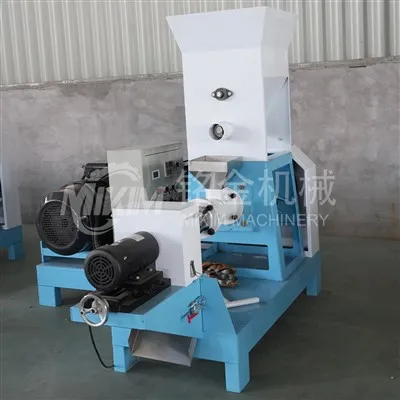
2. Fish meal pellet making production line modification: Add "anti-sticking pretreatment" without major equipment modifications. Insect protein easily absorbs moisture and sticks to materials, so a "hot air drying device" should be added to the raw material silo of the production line (blowing for 10 minutes before each feed to keep it dry); During grinding, it should be mixed with fishmeal (1:1 ratio) to avoid it sticking to the inner wall of the grinder when ground alone; The puffing temperature can be lowered by 5-10℃ (insect protein has lower heat resistance than fishmeal, 125-135℃ is sufficient) to avoid excessive protein denaturation.
New ingredient 2: Algae (Spirulina, Chlorella) – High in nutrients, enhances color and fights disease.
Formula Addition Method: Add 5%-15% to increase feed added value.
Taking koi feed as an example, the original formula contains 30% soybean meal. 10% of this can be replaced with spirulina, resulting in a formula of 20% soybean meal + 10% spirulina, with minor adjustments to the remaining ingredients.
Mixment Suggestions: Algae are rich in vitamins, so the amount of vitamin premix in the formula can be reduced by 5%. If used for shrimp farming, it can be mixed with insect protein in a 1:1 ratio to provide comprehensive nutrition while reducing costs.
Floating fish meal processing line modification: Solving Moisture and Pulverization Challenges
Algae have a high moisture content of 80%-90%, requiring a pre-treatment stage of "low-temperature drying + freeze-drying" at the front end of the production line to reduce the moisture content to below 10% and prevent clumping;
Using ultra-fine pulverizing equipment during pulverization to grind the algae to 80-100 mesh ensures uniform particle size;
During granulation, appropriately increasing the ring die compression ratio to 1:10-1:12 and extending the conditioning time to 3-5 minutes enhances the granulation effect.



Why Choose Us
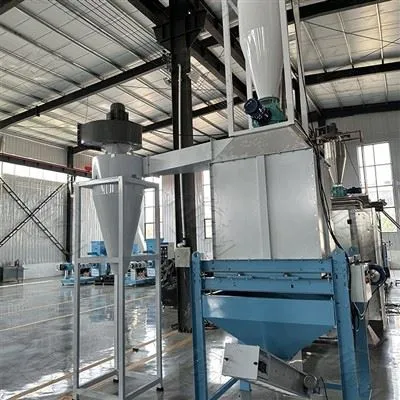
MIKIM boasts extensive experience in poultry feed pellet production lines, significantly reducing the incidence of poultry diseases. Its equipment is not only widely used across various industries domestically but also exported to Southeast Asia, Europe, Africa, and South America, earning a high reputation internationally. This global presence not only demonstrates the adaptability and competitiveness of its products, but also demonstrates the company's experience in adapting to diverse market standards and logistics conditions, enabling it to provide a stable supply chain for its overseas customers. Whether serving large domestic farms or cross-border feed companies, MIKIM can leverage its global service network to ensure a consistent, high-quality experience.
For more information on process flow design, equipment layout, factory construction plans, individual equipment pricing, or turnkey project proposals, please feel free to contact us!!!
FAQ
1. What is the price of the floating fish meal pellet production line?
The price ranges from approximately $8,000-$36,000
2. Do you provide maintenance services for your customers?
Yes, we offer comprehensive after-sales maintenance services to our customers.