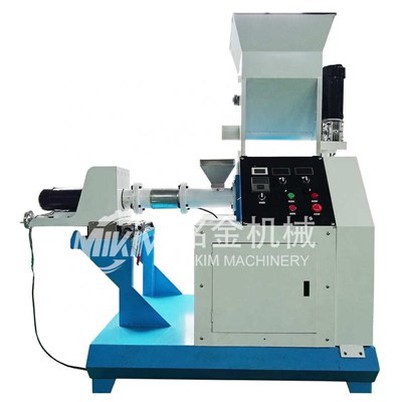
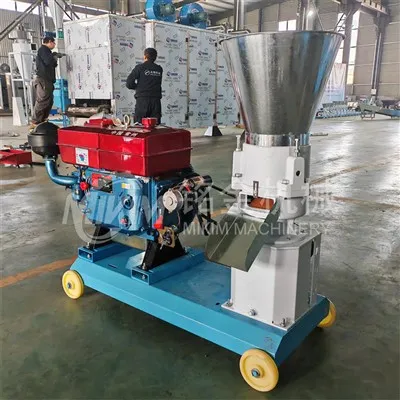
How to choose raw materials for a dry type shimp feed extruder?
Leave a message
The selection of raw materials for shrimp feed pellet mills must simultaneously meet two major requirements: "nutritional support for molting" and "physical properties for water retention." Protein, calcium-to-phosphorus ratio, and material viscosity are three key indicators.
I. Core Nutrient Raw Materials: Ensuring Molting and Growth
Protein is the foundation of shrimp growth, requiring highly digestible protein raw materials. Shrimp meal (20%-30%) is the preferred choice, as its amino acid composition highly matches shrimp needs, significantly improving palatability. It should be combined with imported fish meal (15%-20%) and soy protein concentrate (10%-15%) to avoid nutritional imbalances caused by a single protein source. Calcium and phosphorus supplementation is crucial for molting. Shell powder (8%-12%) is a natural, high-quality calcium source, which should be ground to at least 80 mesh and combined with 5%-8% calcium dihydrogen phosphate to maintain a calcium-to-phosphorus ratio of approximately 2:1, promoting calcium absorption and utilization.
II. Viscous Raw Materials: Enhancing Feed Water Retention
Shrimp feed slowly, and the feed needs to remain in water for at least 30 minutes without dissolving; therefore, viscous raw materials are essential. Wheat flour (20%-25%) is the preferred choice, as its amylopectin gelatinizes under high temperatures in an extruder, forming a stable, viscous network. Adding 5%-10% glutinous rice flour further enhances this viscosity, making it particularly suitable for shrimp farms in deep water. A small amount of 3%-5% seaweed powder not only provides polysaccharide nutrition, but its gelling properties also improve particle stability and enhance feed suspension in water, facilitating shrimp consumption.
III. Functional Raw Materials: Enhancing Stress Resistance
Shrimp have relatively weak stress resistance and require supplementation with functional components through raw materials. Yeast powder (3%-5%) is rich in B vitamins and immunomodulatory polysaccharides, which can enhance shrimp immunity and reduce stress responses. Spirulina powder (2%-4%) provides natural pigments, resulting in brighter shrimp shell colors, while also providing various trace elements. During high or low temperature seasons, adding 1%-2% vitamin C phosphate enhances the shrimp's adaptability to the environment. Raw materials with excessively high crude fiber content (such as corn stalk powder) should be avoided, as they are difficult to digest and will reduce the stickiness of the feed.
Related equipment


about Us
Customer visit
Certificate of Honor

FAQ
1. What is the price of the floating fish pellet maker machine?
The price ranges from approximately $4,500-$35,000
2. Do you provide maintenance services for your customers?
Yes, we offer comprehensive after-sales maintenance services to our customers.