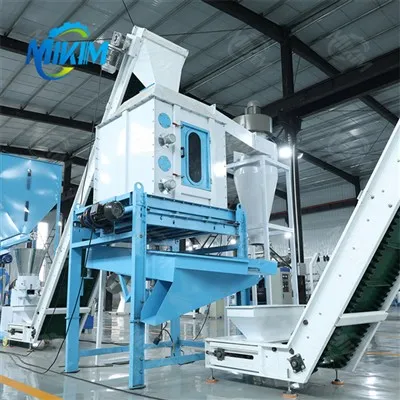
What are the tips for saving effort when using a manual fish feed pellet machine?
Leave a message
Precisely controlling the moisture content of raw materials is the primary technique for reducing operational resistance in floating fish feed extruder machines. Both excessively high and low moisture content increase the difficulty of hand-cranking. When the moisture content is too high, the raw material is sticky and easily clumps and clogs the die holes, requiring significant effort to overcome the blockage resistance during hand-cranking. When the moisture content is too low, the raw material is dry and loose, making it difficult for the pressure rollers to push it forward, also making hand-cranking laborious. For commonly used raw materials such as corn flour and soybean meal, the optimal moisture content should be controlled between 14% and 16%. A simple way to determine if the moisture content is appropriate is to grab a handful of raw material and squeeze it tightly. If the material clumps together and then crumbles easily with a gentle touch, the moisture content is just right. If the material cannot clump together, the moisture content is too low; spray a small amount of water and mix well. If the material clumps together but is difficult to crumble, and your hands are noticeably damp, the moisture content is too high; allow it to dry for 1-2 hours before processing.
Optimizing the particle size of the crushed raw material reduces the extrusion resistance of the small floating fish feed machine. The finer the raw material is crushed, the less resistance it faces when passing through the die holes, and the less effort is required for hand-cranking operation. Many farmers grind raw materials to below 40 mesh to save grinding time, resulting in a significant increase in operating resistance for manual pellet mills. It is recommended to grind raw materials to 60-80 mesh. This particle size ensures the raw materials pass smoothly through the die holes, reducing hand-cranking resistance, while also ensuring the compactness and water resistance of the formed pellets. For high-fiber raw materials such as straw powder and alfalfa powder, it is best to sieve them once after grinding to remove unground coarse fibers, preventing coarse materials from clogging the die holes and increasing operating difficulty.
A reasonable raw material formula is crucial, balancing labor-saving and nutritional benefits. Processing a single raw material will either result in excessive viscosity or poor flowability, both increasing operating resistance. Adding 10%-15% wheat flour to corn flour utilizes the gluten protein in the wheat flour to increase the viscosity of the raw material, making it easier to form and reducing jamming during hand-cranking. Simultaneously, adding 5%-10% fishmeal or soybean meal not only improves feed nutrition but also optimizes the pellet structure and reduces extrusion resistance. It's important to note that the proportion of high-fiber raw materials should not be too high; exceeding 20% will significantly increase operating resistance. It's recommended to keep it below 10%.
The final step in raw material pretreatment is lubricating the mold. Before processing, apply a small amount of vegetable or animal oil to the inside of the mold orifice. This lubricates the mold and reduces friction between the raw material and the mold's inner wall. This seemingly simple trick can reduce hand-cranking resistance by 10%-15%, while also reducing mold wear and extending the equipment's lifespan. Be careful not to apply too much oil, as this can lead to excessively oily pellets, affecting fish feeding.
In short, proper control of raw material moisture, particle size reduction, formula matching, and mold lubrication can significantly reduce the operating resistance of a manual fish food pellet machine, making hand-cranking operation easy and efficient.
Related equipment

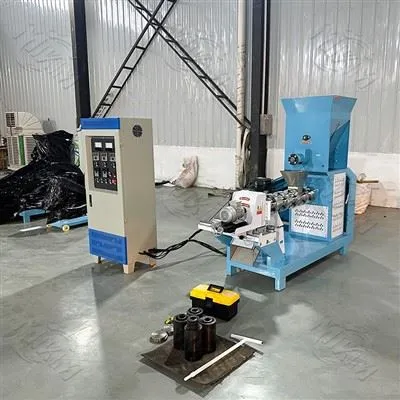
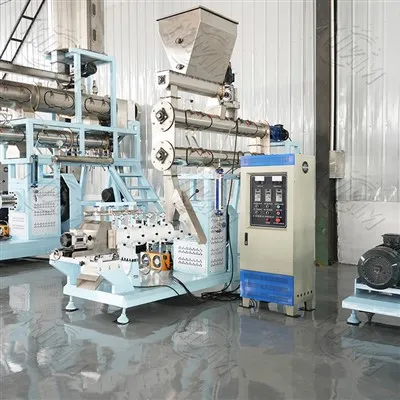

about Us
MIKIM's fish feed pellet production lines and supporting machinery offer excellent value for money. Not only are they affordable, eliminating middlemen markups and allowing small and medium-sized enterprises (SMEs) and fish farmers to purchase complete sets of equipment at reasonable costs, but they also boast exceptional efficiency. The fully automated process, from raw material crushing and precise ingredient mixing to extrusion pelleting and maturation, is completed in one continuous flow. This results in high starch gelatinization rates and uniform pellet formation, significantly improving production efficiency and feed quality, truly achieving "low cost, high output." Choosing a MIKIM fish feed pellet production line means enjoying comprehensive pre-sales and after-sales service, including 24-hour online customer support, a one-year warranty on the entire machine, professional on-site installation, commissioning, and maintenance, and a stable supply of spare parts. Customers can buy with confidence and use with peace of mind, with both excellent value and service quality!
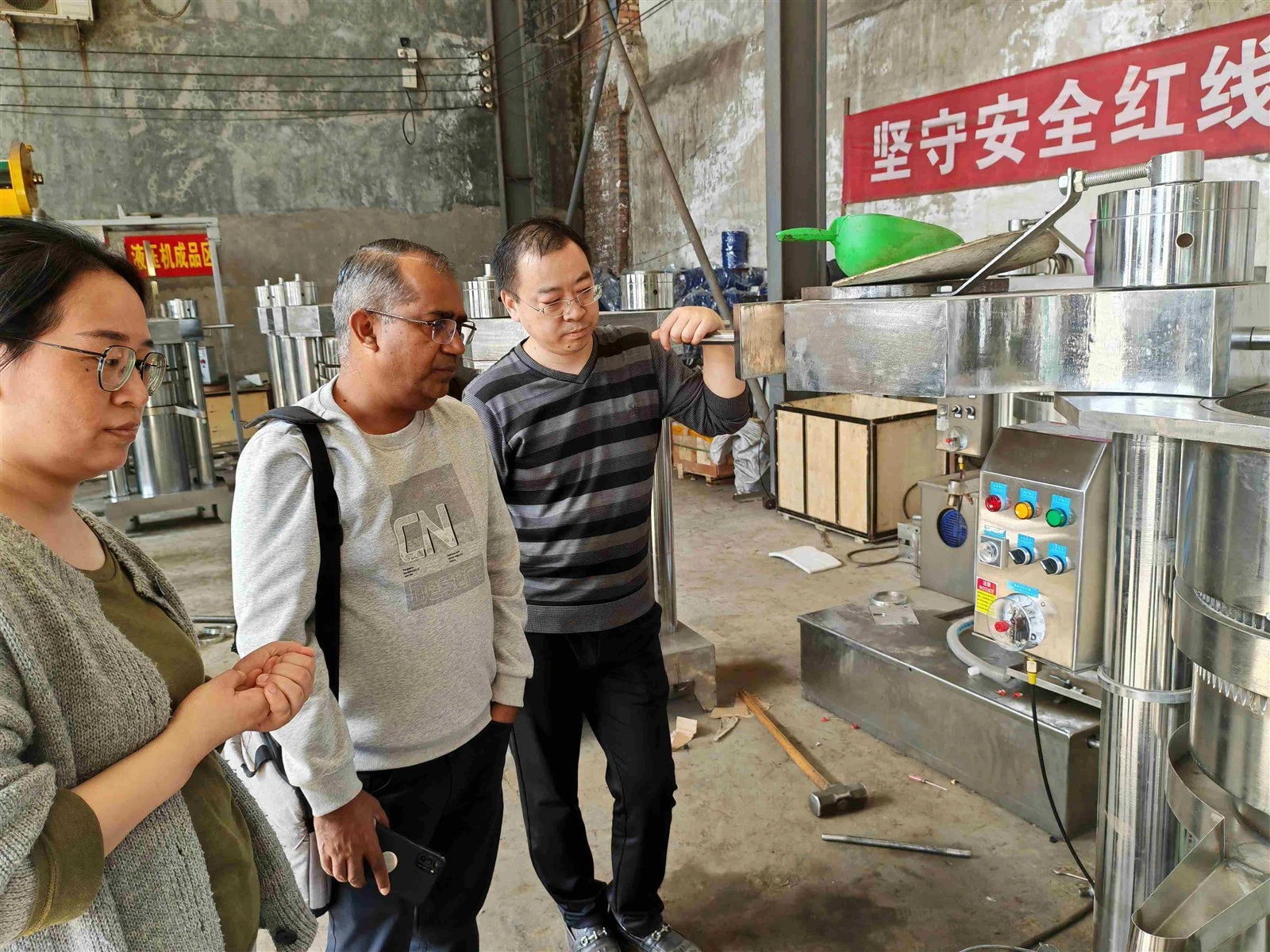
Customer visit
Certificate of Honor

FAQ
1. What is the price of the fish feed pellet extruder?
The price ranges from approximately $3,500-$55,000
2. Do you provide maintenance services for your customers?
Yes, we offer comprehensive after-sales maintenance services to our customers.
If you would like to learn more about MIKIM machinery, please contact us. We offer one-stop service and welcome your inquiries!!!