Techniques For Effectively Managing Production Losses in Feed Mills
Leave a message
Common Causes of Raw Material Loss
1. Improper Storage: Poor ventilation and damp floors in raw material warehouses cause corn, soybean meal, and other materials to absorb moisture and mold, forcing them to be discarded; or the warehouse lacks a moisture-proof mat, allowing raw materials to directly contact the ground, causing them to clump together and become unusable.
2. Omissions During Handling: When using conveyor belts to transport raw materials, the edges of the conveyor belts may not be properly sealed, allowing raw materials to leak to the ground through gaps; when manually handling bagged raw materials, damaged bags may not be detected in time, resulting in spilled materials that are not collected.
3. Inaccurate Pre-treatment: During raw material cleaning, the mesh size of the vibrating screen may be too large, screening out qualified raw materials along with impurities; the crushing parameters may not be properly adjusted, causing some raw materials to be over-crushed into powder, making them unsuitable for subsequent granulation processes.
Management skills
1. Optimize the raw material storage environment: Lay moisture-proof boards (10-15cm high) on the warehouse floor, install ventilation fans on the walls (ventilate for 2-3 hours daily), and place hygrometers in warehouse corners to control humidity at 60%-70%. For moisture-absorbing raw materials (such as fishmeal), use sealed packaging bags; after opening, reseal any unused portion with cling film and store it on shelves.
2. Reduce handling spills: Regularly inspect conveyor belts, replace worn sealing strips, and install "receiving trays" under the conveyor belts to collect spilled raw materials, filter impurities, and reuse them. When handling manually, check packaging bags for holes beforehand; repair any damage immediately with tape, and clean up any spilled raw materials promptly after handling.
3. Precise control of the pretreatment process: Adjust the screen aperture according to the type of raw material (e.g., use a 3mm aperture screen for corn and a 2mm aperture screen for soybean meal), clean the impurities on the screen surface daily to avoid clogging and inaccurate screening; test the hardness of the raw material before crushing and adjust the crusher speed (e.g., adjust the speed to 2800 rpm for hard raw materials and 2200 rpm for soft raw materials) to reduce the amount of powder that is over-crushed. The powder can be collected and mixed into subsequent raw materials for reuse in proportion.



about Us
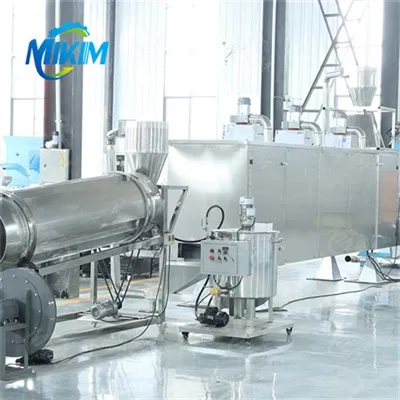
MIKIM is a high-tech enterprise integrating R&D, production, and sales. Its feed extrusion equipment utilizes a high-temperature, high-pressure process, which sterilizes, improves puffing density and digestibility, and saves 8%-15% on feed costs. Pellet diameters are adjustable from 1-16 mm, and it features controllable cutting and floating adjustment to suit the needs of fish, shrimp, crab, and pet food. Core components are sourced from international brands and undergo special treatment, ensuring stability and durability while balancing safety, efficiency, and peace of mind.
Qualifications and Honors

Customer visit

FAQ
1. What is the price of the fish feed pellet machine?
The price ranges from approximately $15,000-$40,000
2. Do you provide maintenance services for your customers?
Yes, we offer comprehensive after-sales maintenance services to our customers.